

With diabetes becoming an epidemic today, it’s vital to fully understand what the condition is—and why knowing about it matters. Mainly, it’s about preventing diabetes from affecting you!
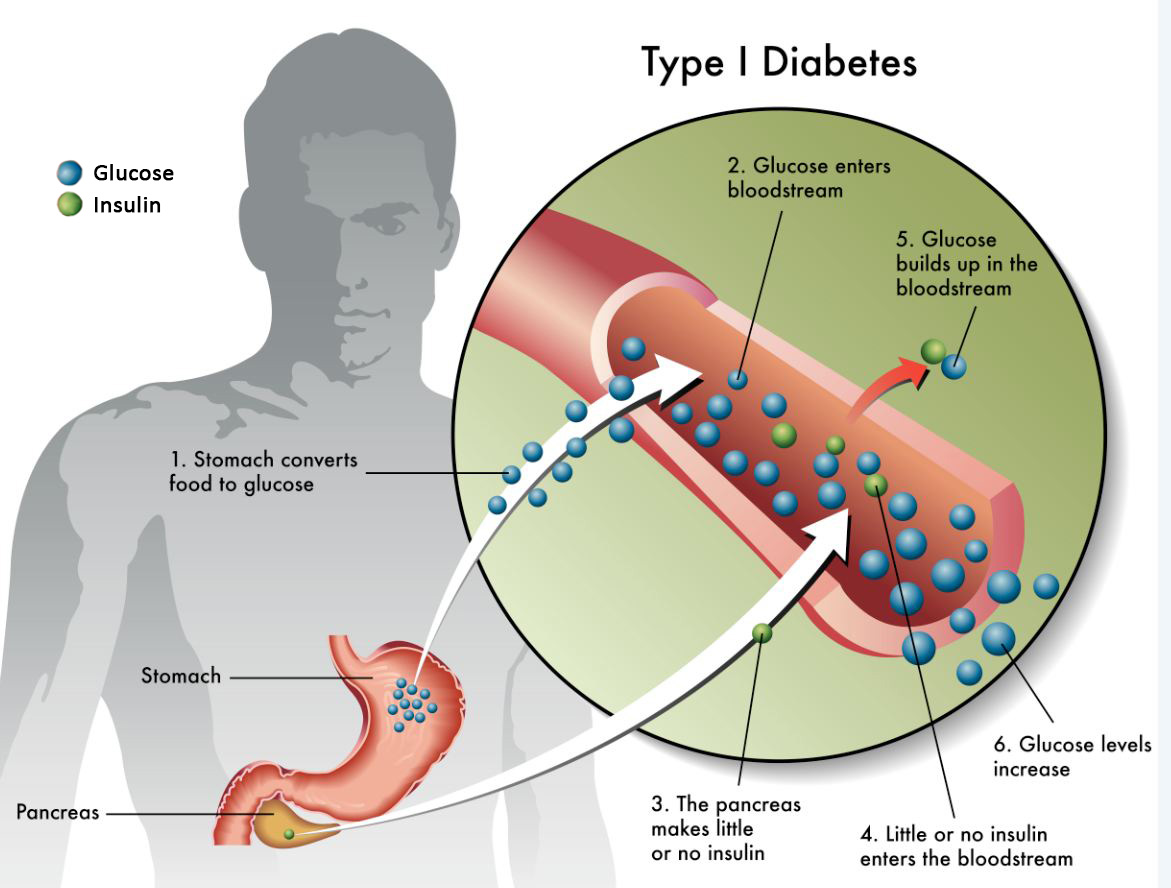
Simply put, diabetes is the body’s inability to properly process sugars. When you eat or drink, your pancreas produces a hormone called insulin. Insulin enters the bloodstream and helps regulate the level of glucose (sugar) in your blood. Diabetes occurs when this system malfunctions.
There are two main types of diabetes:
-
Type 1 diabetes occurs when the body produces little to no insulin, making insulin injections necessary for survival.
-
Type 2 diabetes, where insulin is produced but the body becomes resistant to its effects, making it ineffective. Type 2 is becoming increasingly common.
While diabetes may not be immediately life-threatening, uncontrolled high blood sugar over time can seriously damage vital organs such as the kidneys, eyes, nerves, and heart.
Although this sounds alarming, controlling blood sugar through medication, diet, and exercise can greatly reduce the risk of complications. Recent research indicates that approximately 2% of the population has diabetes, but nearly half of those affected remain unaware of their condition. Many live with the disease without outward signs because diabetics often look no different than anyone else.
How can you tell if you have diabetes?
The easiest way is to have a blood sugar test done by your doctor. A small drop of blood from a finger prick is analyzed using an electronic device.
Normal blood sugar levels range between 72 and 126 mg/dL (or 4 to 7 mmol/L, where 1 mmol/L = 18 mg/dL). If your blood sugar cannot be kept within this range, diabetes may be diagnosed. Sometimes diabetes is discovered unexpectedly during a routine check-up, but often it is identified after symptoms appear.
Common symptoms of diabetes include:
-
Weight loss: Since glucose—the body’s main energy source—is not properly used, it passes into the urine and out of the body. As a result, the body starts using fat and muscle for energy, which leads to weight loss.
-
Excessive thirst: Despite drinking large amounts of fluids, many feel constantly thirsty. This problem worsens if sugary drinks are consumed, which only raise blood sugar levels and increase thirst.
-
Frequent urination: People with diabetes urinate often and in large volumes. This can disrupt sleep as frequent bathroom trips occur during the night. High blood sugar spills into urine, drawing water from the body and causing dehydration, which further increases thirst.
If you experience these symptoms, it doesn’t necessarily mean you have diabetes, but it’s wise to consult your doctor for a proper diagnosis. If diagnosed, try not to panic. While diabetes is currently incurable, it can be managed effectively, significantly reducing or preventing complications.
Understanding what diabetes is and recognizing its early signs empowers you to take control of your health. Monitor your daily habits and nutrition. After all, prevention is always better than treatment!