

What if you’re diagnosed with diabetes? Will you just stay indoors and rely on daily insulin injections? Perhaps the key is to fully understand diabetes and accept it, so it doesn’t become an overwhelming burden.
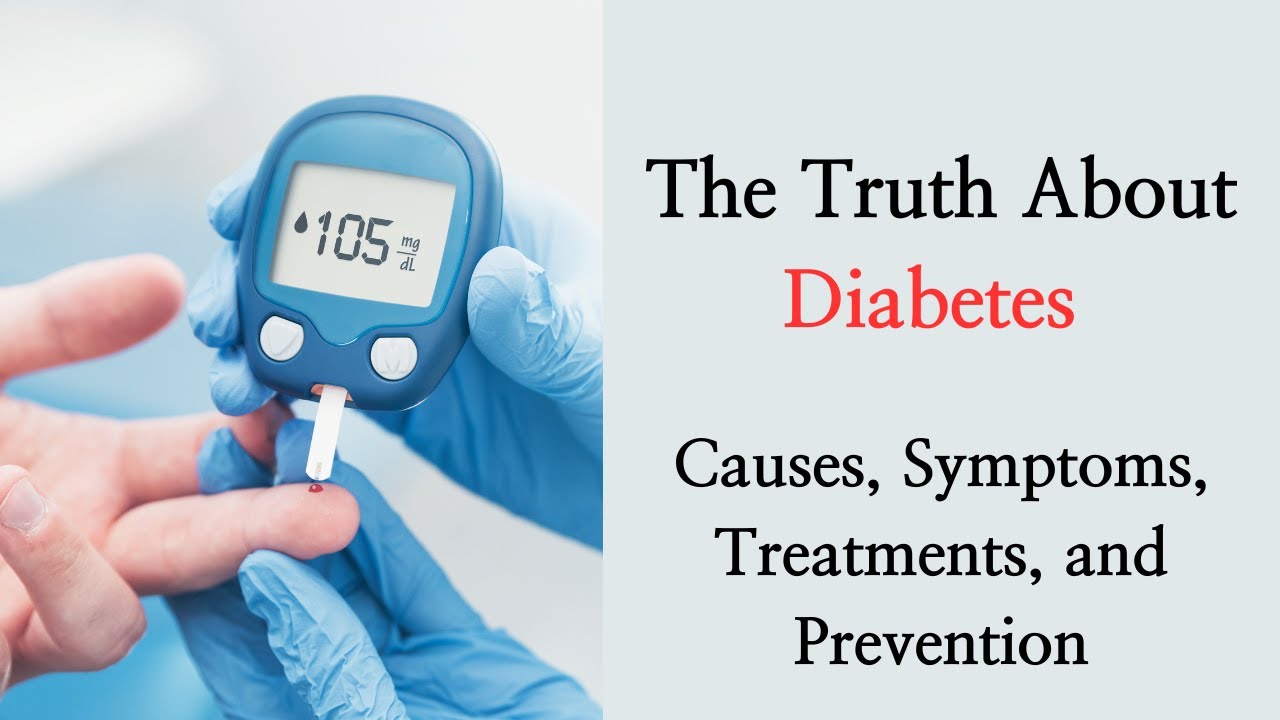
Let’s begin by defining what diabetes really is and exploring its likely causes. Diabetes is a disorder where the body cannot properly use the food it digests for growth and energy. The food we eat is broken down into glucose, the simplest form of sugar in our blood.
Glucose serves as the body’s main source of energy. Diabetes causes glucose to build up in the bloodstream, and as its level rises, so does the blood sugar, sometimes to dangerously high levels.
Diabetes primarily comes in two forms: Type 1 and Type 2. Type 1, also called juvenile-onset or insulin-dependent diabetes, occurs when the body stops producing insulin altogether. Insulin is a hormone that enables the body to use glucose for energy. People with this type need daily insulin injections to survive. It commonly appears in children or young adults.
Type 2, also known as adult-onset or non-insulin-dependent diabetes, happens when the body either doesn’t produce enough insulin or cannot use it effectively. Individuals with this type might also need insulin injections to stay alive.
Diabetes is a lifelong condition. Understanding the facts about it is essential so that those affected can manage their lives fully and enjoyably, despite the presence of diabetes.