

Manganese
Manganese is a key mineral that supports the body’s ability to produce insulin naturally and is therefore significant in the management of diabetes. It is found in citrus fruits, the outer layers of nuts and grains, and the green leaves of edible plants.
Magnesium
The loss of magnesium during diabetic ketosis has been recognized for years. Studies show that around 37% of infants born to diabetic mothers are deficient in this mineral. Even in children between the ages of 5 and 18 with well-managed type 1 diabetes, serum magnesium levels are often found to be low.
Magnesium not only reduces the body’s need for vitamin B6 but can also lower levels of xanthurenic acid in the blood—even in the absence of B6 supplementation. Additionally, magnesium is essential for the activation of enzymes that require vitamin B6. Given that magnesium levels are commonly low in people with diabetes, it’s reasonable to suggest that a combined deficiency of magnesium and vitamin B6 may contribute to the development of the disease. Therefore, individuals with diabetes or a family history of the condition may benefit from daily supplementation with at least 500 mg of magnesium and 10 mg of vitamin B6.
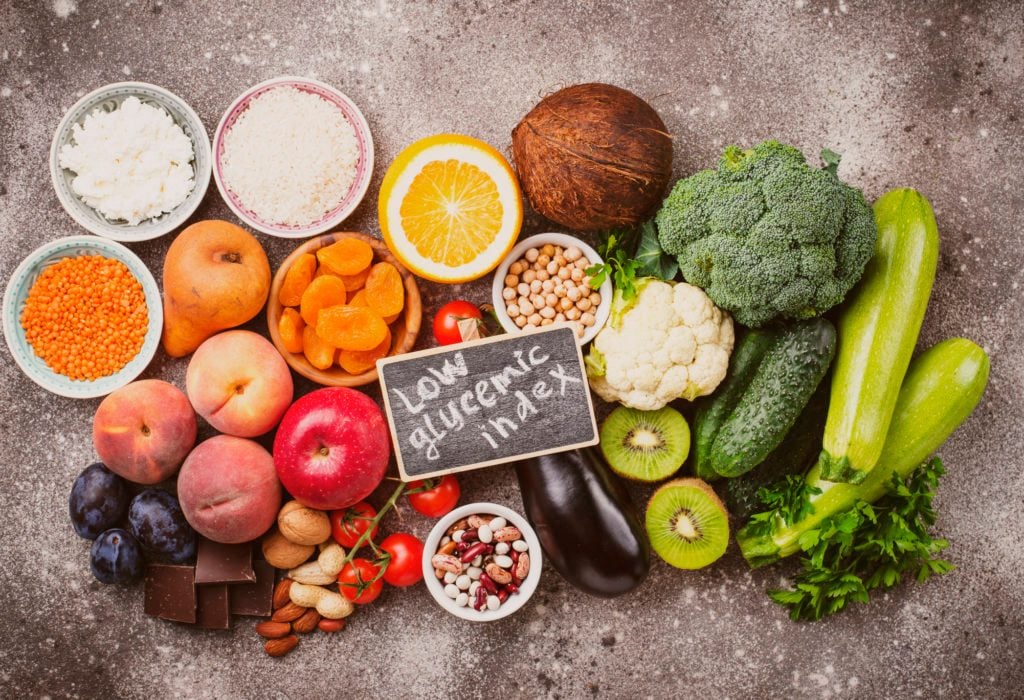
Magnesium is widely present in foods, particularly in green leafy vegetables, where it forms part of chlorophyll. Other good sources include nuts, soybeans, alfalfa, apples, figs, lemons, peaches, almonds, whole grains, brown rice, sunflower seeds, and sesame seeds.
Chromium
Dr. Richard A. Anderson of the U.S. Department of Agriculture’s Human Nutrition Research Center in Beltsville, Maryland, states that chromium helps normalize blood sugar levels regardless of the underlying issue. He attributes the rising incidence of type 2 diabetes in part to chromium deficiencies in the modern diet.
Studies have shown that chromium contributes to both preventing and controlling diabetes. A study from Columbia University, published in the American Journal of Clinical Nutrition, confirmed that chromium enhances insulin activity. Additional studies have shown that chromium helps stabilize blood sugar levels and boosts energy levels.
Chromium supplementation has also been shown to improve cholesterol profiles by lowering total cholesterol and triglycerides while increasing HDL (the “good” cholesterol). In individuals with impaired glucose tolerance—particularly malnourished children—chromium has improved blood sugar control.
The recommended daily intake of chromium is between 50 to 100 micrograms. Foods rich in chromium include broccoli, whole grains, nuts, mushrooms, rhubarb, Bengal gram, kidney beans, soybeans, black gram, betel leaves, bottle gourd, corn oil, brewer’s yeast, pomegranate, and pineapple.