

When Hurricane Katrina struck last August, people with diabetes faced particular challenges, especially those using insulin. With more than 20 million Americans living with diabetes and many others managing chronic health conditions, preparedness is essential.
During this hurricane and tornado season, Eli Lilly and Company—one of the world’s leading insulin manufacturers—recommends that individuals with diabetes or other chronic illnesses follow these important guidelines, no matter where you live:
-
Store medicines and supplies in a designated place for easy access in case of a quick evacuation from home or work.
-
Keep cool packs in the freezer to help keep medications like insulin cold.
-
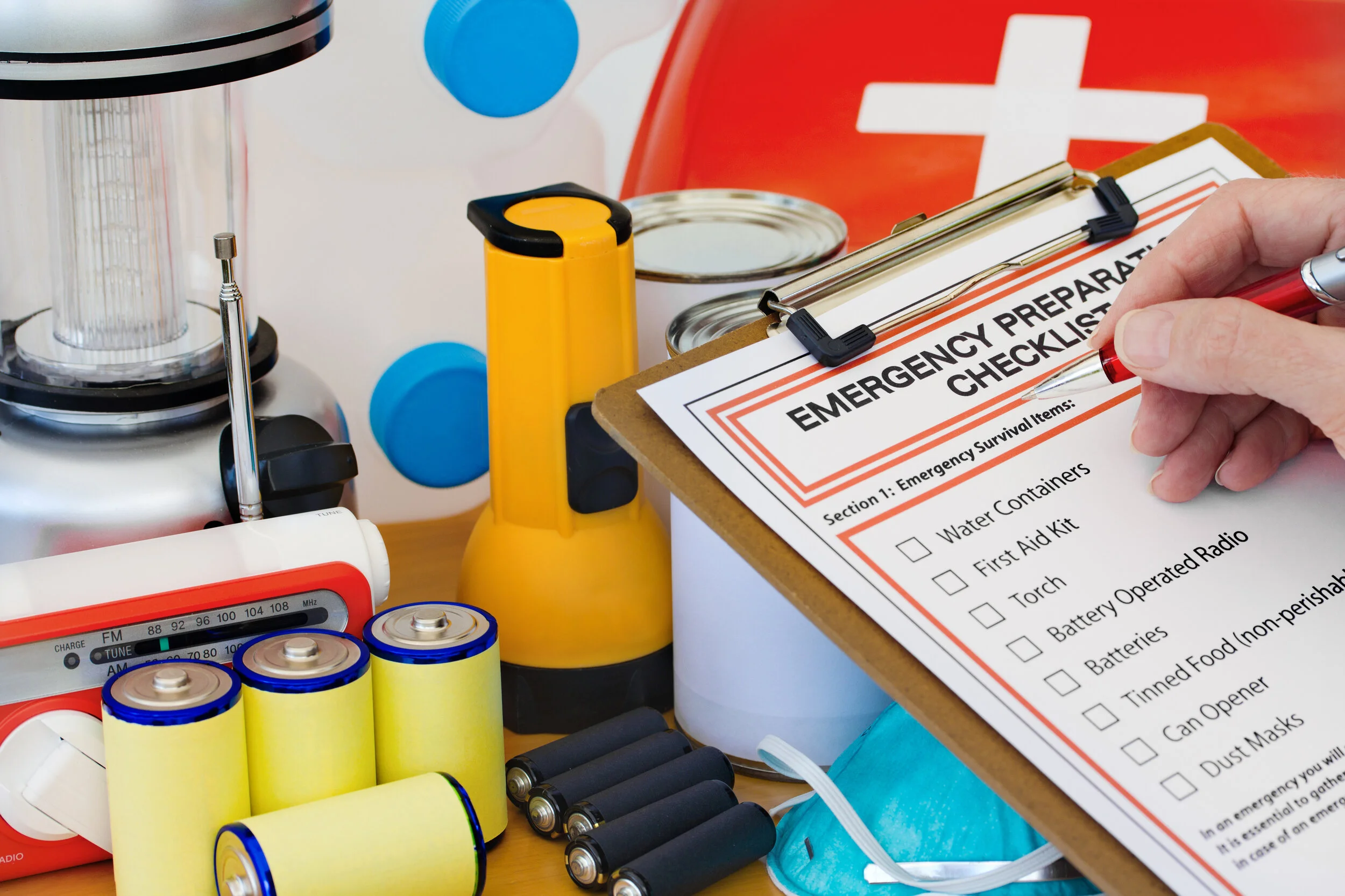
Prepare an easily accessible emergency kit containing:
-
Medical supplies: syringes, cotton balls, tissues, swabs, blood glucose testing strips, glucose meter, lancing device and lancets, urine ketone strips, therapy and monitoring items.
-
A hard plastic container for safe disposal of syringes and lancets.
-
A cooler for insulin storage.
-
Pen and notebook for recording information.
-
Glasses.
-
Copies of prescriptions, insurance cards, medical records, and emergency contact lists including caregivers and doctors.
-
Physician’s orders for your child’s care, both at school and in your disaster kit.
-
Glucagon emergency kit and fast-acting carbohydrates like glucose tablets or orange juice.
-
Nonperishable foods like granola bars, along with an ample supply of water.
-
First aid kit, flashlight, whistle, matches, candles, radio with batteries, and work gloves.
-
Supplies to last at least a week.
-
Sugar-containing items in case of low blood sugar.
-
Dr. Sherry Martin, medical advisor at Eli Lilly and Company, states, “No one can fully anticipate a natural disaster, but with preparation, people with diabetes can manage their disease. Taking the time to prepare could make a huge difference in an emergency.”
If disaster strikes, remember to:
-
Stick to your meal plan and stay hydrated.
-
Monitor and record your blood sugar levels regularly.
-
Always wear shoes and inspect your feet frequently; seek immediate medical care for any foot wounds.
-
Contact your healthcare providers as soon as possible if you are relocated to ensure continuous care.
-
Parents should identify school staff who can assist children with diabetes during emergencies.
-
If displaced, inform authorities immediately that you have diabetes so you can receive appropriate medical care.