

Around sixteen million Americans have diabetes, yet many remain unaware of their condition. African Americans, Hispanics, and Native Americans face a higher lifetime risk of developing diabetes. The disease can cause serious long-term complications affecting the kidneys, eyes, heart, blood vessels, and nerves. Several sections of this website are dedicated to preventing and managing these diabetes-related complications. (See Diabetes Symptoms)
Diagnosing Diabetes
Doctors primarily rely on specific blood glucose tests to diagnose diabetes. However, test results are only one part of the diagnostic process. Physicians also consider your physical exam, symptoms, and medical history. Sometimes, people who are seriously ill experience temporary elevated blood sugar levels that return to normal once they recover. Certain medications, such as steroids and some diuretics (water pills), can also influence blood glucose readings.
The two main tests used to detect blood sugar issues are:
-
Measuring blood glucose after an overnight fast
-
Testing how well the body processes sugar following the consumption of a high-glucose drink
Self-Testing
Regular self-monitoring of blood sugar levels helps track how well your diet, exercise, and medications are managing your diabetes. Testing is usually done before meals and at bedtime, but more frequent checks may be necessary during illness or times of stress.
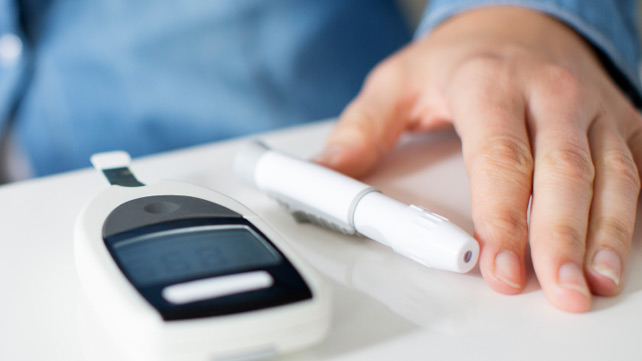
A device called a glucometer provides precise blood sugar readings. Usually, a small needle called a lancet is used to prick your finger to obtain a tiny drop of blood, which is then applied to a test strip and inserted into the glucometer. Results appear within 30 to 45 seconds.
Healthcare professionals or diabetes educators will assist in creating a testing schedule tailored to you and teach you how to respond to various blood sugar levels detected during self-testing.
Test results can be used to adjust meals, physical activity, or medications to maintain blood sugar within a healthy range. Monitoring your blood sugar provides important information for your healthcare provider and helps identify high and low blood sugar levels before complications arise. Keeping accurate records of your test results will support you and your healthcare team in effectively managing your diabetes.
Currently, there are 20.8 million children and adults in the United States with diabetes, and nearly one-third—about 6.2 million people—are unaware they have the disease!