

The Rise of Insulin Pumps
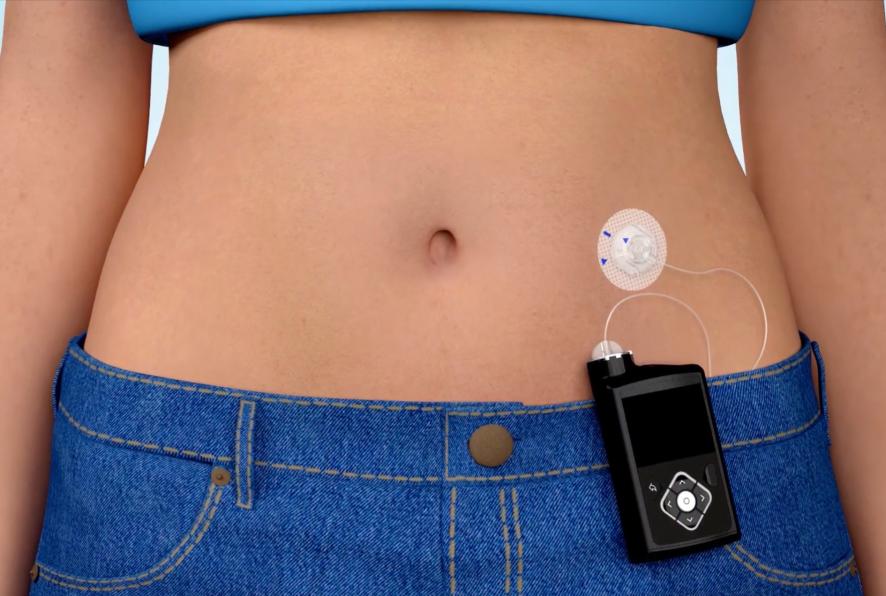
Lately, insulin pumps have become a widely embraced substitute for conventional insulin injections. While early models were large and somewhat awkward, today’s pumps are compact—about the size of a small mobile phone or pager. These devices can be worn discreetly on a belt, in a pocket, or under clothing. They deliver insulin via a thin, flexible tube (called an infusion set) that sits just beneath the skin.
Why Insulin Pumps Offer an Advantage
For individuals without diabetes, the pancreas naturally releases insulin at a steady, low rate throughout the day, and increases insulin output after meals. Traditional insulin therapy using injections combines slow- and fast-acting insulin to mimic this process—but it often falls short of matching the body’s needs.
Insulin pumps do a better job of replicating how a healthy pancreas functions. They provide a continuous background dose of insulin (called the basal rate) and let users administer additional insulin (bolus doses) at mealtimes or when needed—all with the press of a button.
The flexibility of an insulin pump means users can easily adjust the basal rate during illness, physical activity, or sleep. If you happen to skip a meal, you just omit the bolus dose. This adaptability allows the device to adjust to your life—instead of requiring your lifestyle to adjust to a rigid injection schedule.
Choosing the Right Insulin Pump
Today’s pumps generally offer similar basic features. Selecting one is a bit like picking out a smartphone—it comes down to personal preference and how you plan to use it. For example:
-
Enjoy swimming or water sports? Look for a water-resistant or waterproof model.
-
Love analyzing your health data? Opt for a device with PC connectivity and data analysis software.
If you’re new to insulin pumps, consider these important features:
-
Customizable Basal Rates: Choose a pump that allows different basal settings for specific times—like overnight, during workouts, or while ill.
-
Standard Infusion Sets: Devices using the universal Luer lock connection often offer more affordable and widely available supplies.
-
Glucose Check Reminders: Built-in alerts can help remind you when it’s time to monitor blood sugar levels.
-
Battery Compatibility: Some pumps use standard AA or AAA batteries, which are easy to find and replace.
-
Bolus Calculators: Advanced models may include tools to help calculate insulin doses based on carbohydrate intake.
-
Smart Integration: Newer pumps are now integrating with glucose meters, automatically importing readings and recommending insulin doses.
Other features worth considering include food databases for carb counting, missed-meal alerts, and infusion set change reminders. Manufacturers continue improving usability and adding automation to make life easier for those managing diabetes.
Frequently Asked Questions
Q: If the pump isn’t a good fit for me, can I go back to injections?
A: Absolutely. Many people find better glucose control with a pump, but you’re not locked in. You can always switch back to injections if needed.
Q: My schedule is chaotic—can a pump still work for me?
A: Yes. In fact, people with unpredictable routines often see the greatest benefits. If you have difficulty sticking to fixed mealtimes or remembering injections, an insulin pump may significantly improve your management.
Q: I’m planning for pregnancy—should I consider a pump?
A: Definitely. Pumps can help maintain tighter glucose control, which is essential before and during pregnancy. Better control reduces the risk of complications for both mother and baby.
Q: Are insulin pumps expensive?
A: The upfront cost can be a few thousand dollars, but prices continue to drop. Keep in mind that infusion sets require regular replacement, adding to ongoing costs. You can check online diabetes supply retailers for current pricing.