

Your pet is suffering from a serious illness!
And don’t be under the false impression that this condition affects humans alone!
Feline diabetes ranks among the most prevalent endocrine diseases affecting cats. It is strongly linked to diets high in carbohydrates, especially from dry cat food. Many canned foods also contain excessive carbs, which your cat may eagerly devour—but these poor dietary choices can severely harm your pet’s health. Cats, by nature, are obligate carnivores; their bodies are not designed to handle a carbohydrate-heavy diet. You shouldn’t just feed your cat anything and everything. Instead, understand its nutritional needs from a biological perspective. Feline diabetes is a serious condition that demands attention.
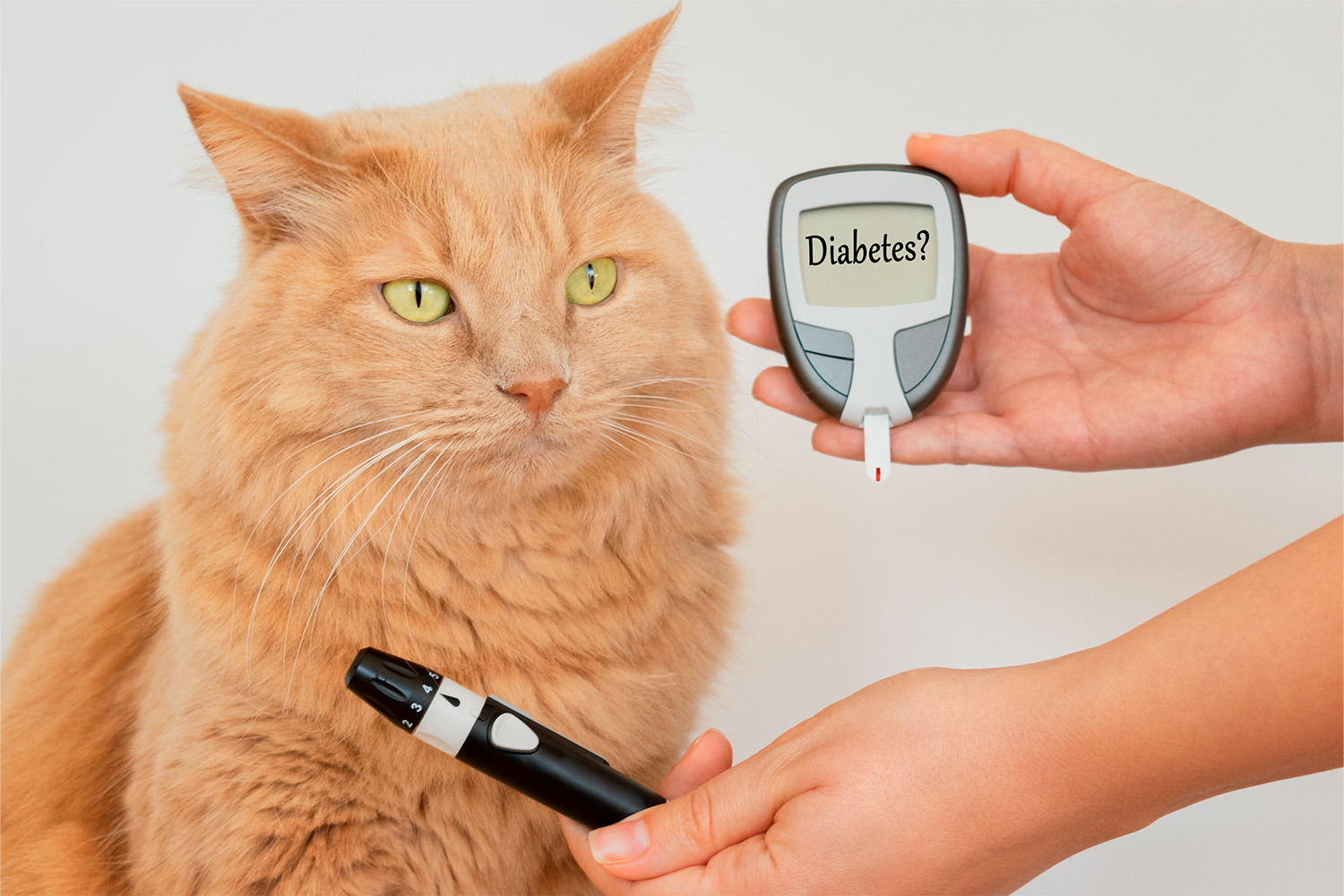
Cats and insulin injections… it may sound unusual, but it’s a reality.
If your cat’s diabetes is advanced, insulin shots become essential. However, once you switch to a low-carb diet and your cat regains good health, insulin shots might no longer be necessary.
Giving a diabetic cat a high-carb diet is like fueling a fire and then being puzzled when it keeps burning.
Diabetes comes in two forms: Type I and Type II, with Type II being the most prevalent in both humans and cats. But cats have a unique metabolism.
Because cats are obligate carnivores, they are adapted to eat diets rich in protein, moderate in fat, and very low in carbohydrates—typically only 3 to 5%. Their natural design means they lack many of the enzymes needed to properly digest carbs.
So, it’s not enough to simply love your cat. You need to understand its biology and dietary requirements! The food you choose for your cat can literally be a matter of life and death.