

Feline diabetes is believed to affect about 1 in every 400 cats and often shows symptoms very similar to those seen in humans. The good news is that feline diabetes is treatable and does not necessarily mean a shorter lifespan or reduced quality of life for your cat. In many cases, early and effective treatment can even lead to complete remission, meaning your cat may no longer require insulin injections.
Timely identification of feline diabetes is essential to safeguard your cat’s health. If left untreated, the condition can cause weakness in the legs, malnutrition, dehydration, and potentially even death. Symptoms usually develop gradually over several weeks. Feline diabetes is most commonly diagnosed in cats older than 7 years. Initial signs often include sudden weight loss or gain. Additionally, excessive thirst and urination may be accompanied by changes in appetite—either an increase or loss of appetite. As the disease progresses, weakness in the hind legs may become noticeable.
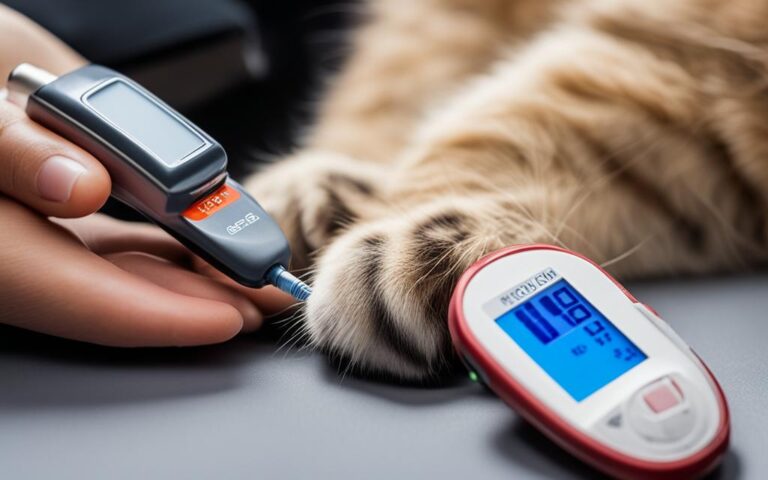
If you observe any of these signs, it’s important to take your cat to the veterinarian for appropriate testing. After diagnosis, a well-balanced diet customized to your cat’s specific needs plays a vital role in treatment, along with consistent insulin injections. While oral medications are sometimes prescribed as an alternative to injections, they can potentially cause liver damage or even reverse remission, so many pet owners prefer insulin injections as the most effective treatment.
During treatment, regular veterinary check-ups are essential to monitor your cat’s health and dietary habits. If not properly managed, your cat’s condition may worsen to the point of requiring hospitalization. Managing feline diabetes requires careful supervision to ensure your cat eats properly and gradually regains strength.
Please note, this information is intended for educational purposes only and should not replace professional veterinary advice. If you think your cat might have diabetes, it’s important to consult a licensed veterinarian for a proper diagnosis and appropriate treatment guidance.