

Understanding Diabetes: Symptoms and Diagnosis
Diagnosing diabetes can be challenging, especially in its early stages. Symptoms often develop gradually and can resemble those of other conditions—leading to potential misdiagnosis. Not every individual with diabetes experiences symptoms, and some may remain symptom-free for years.
Diabetes develops when insulin — the hormone responsible for allowing glucose to enter the body’s cells — is either insufficient or doesn’t function properly. This leads to elevated blood sugar levels. When blood glucose gets too high, the kidneys may spill excess sugar into the urine, causing frequent urination—one of the hallmark symptoms.
When blood sugar remains elevated over time, the body’s cells are starved of energy, potentially leading to damage in the nerves, kidneys, eyes, blood vessels, and heart. Simultaneously, if overall glucose drops too low, the pancreas releases glucagon, prompting the liver and muscles to convert stored glycogen back into glucose to maintain energy levels.
How Are Diabetes Symptoms Identified?
Type 2 diabetes often develops slowly, making diagnosis gradual, while type 1 diabetes may appear more abruptly over a shorter period. The onset of symptoms varies from person to person.
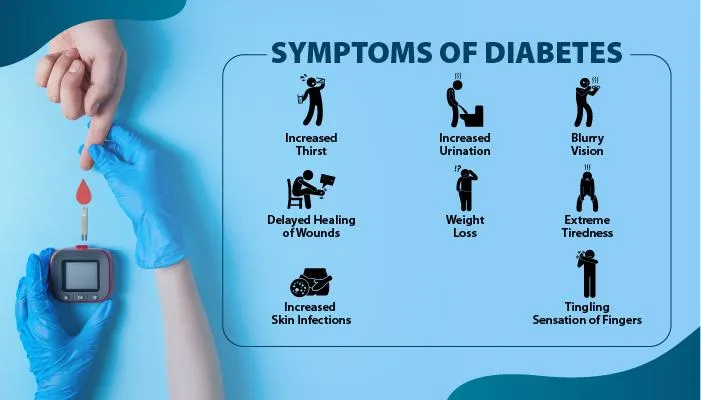
Here are some common early signs of diabetes:
-
Skin issues like infections or slow wound healing, athlete’s foot, and skin irritation
-
Unusual dryness in women, sexual dysfunction in men (e.g., erectile issues)
-
Menstrual changes in women (e.g., early menopause or absence of periods)
-
Numbness or tingling in hands or feet (paresthesia), peripheral neuropathy
-
Urinary tract infections and blurry vision
-
Fatigue, lethargy, dry mouth, and changes in appetite
-
Unexplained weight gain or loss
As the condition progresses, additional symptoms may appear:
-
Excessive thirst and urination
-
Extreme hunger despite weight loss
-
Nausea, vomiting, headaches
-
Muscle weakness or cramps, acne flare-ups
-
Aggravated sexual health issues: erectile dysfunction in men and vaginal dryness in women
-
Further menstrual disruptions or absence
Other possible signs include:
-
Bleeding gums or oral issues
-
Ringing in the ears
-
Dry or itchy skin, numbness in the feet or hands
-
Digestive changes like diarrhea
-
Mood disturbances such as confusion or depression
Long-Term Complications of Uncontrolled Diabetes
If left unmanaged, diabetes can lead to:
-
Kidney disease
-
Diabetic retinopathy (eye damage)
-
Nerve issues such as sciatica
-
Increased risk of heart disease and stroke
Because symptoms can be subtle or delayed, early physician consultation is vital. Early diagnosis and management can significantly reduce the risk of long-term complications. Remember, while diabetes is a lifelong condition, it isn’t contagious—early, informed care empowers better outcomes.