

Diabetes is a condition characterized by unusually high levels of glucose in the bloodstream. Insulin is a hormone made by the pancreas that helps regulate and lower blood sugar levels in the body. When the pancreas doesn’t produce enough insulin, or the body can’t use insulin effectively, diabetes develops.
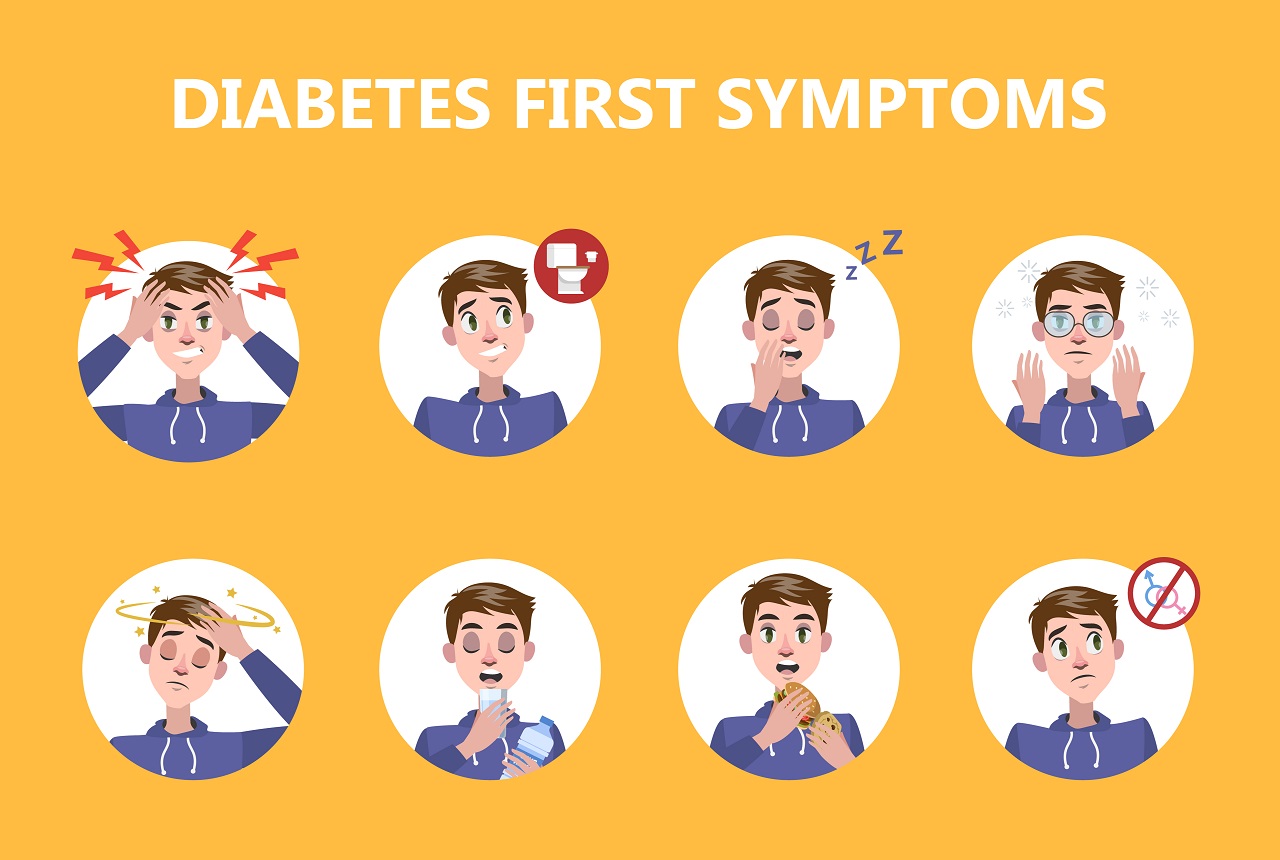
Common symptoms of diabetes include intense hunger and thirst, frequent urination, and fatigue. However, the most reliable way to diagnose diabetes is through a blood sugar test, often called a Glucose Tolerance Test.
Type 1 diabetes is the more acute form and is usually managed with a special diet, regular exercise, and sometimes insulin injections. It is considered an insulin-dependent condition since the body produces little or no insulin.
Type 2 diabetes is generally less severe and most often occurs in middle-aged or older adults—hence its nickname, Late-Onset Diabetes. In this form, the pancreas still produces insulin, but the body becomes resistant to it. Initial treatment focuses on a diabetic diet, exercise, and weight loss. If these lifestyle changes don’t control blood sugar, oral medications may be prescribed, and insulin therapy is considered if needed. While type 2 diabetes can be managed, it can lead to complications similar to those seen in type 1 if left untreated.
It’s possible to delay or prevent type 2 diabetes, especially if it runs in your family, by maintaining a healthy weight, exercising regularly, and following a balanced diet.
Gestational diabetes develops during pregnancy and typically goes away after the baby is born. Managing blood sugar levels during pregnancy is important to reduce risks to both mother and baby.
Juvenile-onset diabetes, often another term for type 1 diabetes, affects many children. If a child shows symptoms of diabetes, prompt medical evaluation is critical. Additionally, over two million adolescents are estimated to be in a pre-diabetes stage—meaning their blood sugar is higher than normal but not yet diabetic—largely due to increasing rates of overweight and obesity. This stage often emerges between the ages of 12 and 19.