

Diabetes is classified into three primary types: Type 1 diabetes, which requires insulin; Type 2 diabetes, which typically does not require insulin initially; and gestational diabetes, which occurs during pregnancy. Type 1 diabetes can be caused by a person’s eating habits and viral infections. Type 2 diabetes, the more prevalent form, is frequently linked to genetic factors, excess body weight, hypertension, and poor dietary habits.
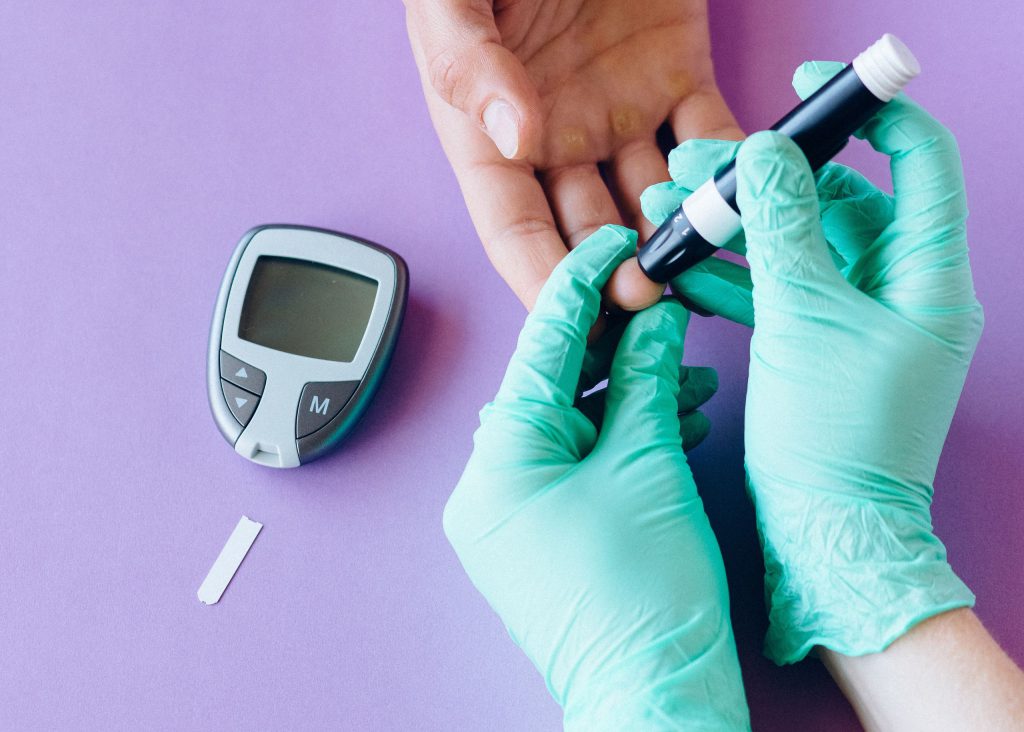
Gestational diabetes mellitus occurs during pregnancy and can result from heredity, increased maternal age, obesity, and other factors. It may cause the mother to develop permanent diabetes later on, and this tendency can sometimes be passed on to the child.
There are several symptoms that can help detect diabetes early. Symptoms can include frequent urination, persistent thirst, unexpected weight loss, heightened appetite, nausea, severe fatigue, recurring infections, irritability, and overall tiredness.
The importance of insulin becomes clear when a person suffers from diabetes. Insulin is a hormone that helps glucose (blood sugar) enter the body’s cells to be used as energy. Diabetes affects the body’s ability to produce or properly use insulin. Because of this, glucose stays in the bloodstream, causing high blood sugar levels that can harm the eyes, nerves, kidneys, heart, and blood vessels.
Besides hereditary factors, Type 2 diabetes can often be prevented by simple lifestyle changes. For overweight individuals, reducing food intake can help lower the risk. Choosing grilled or baked foods instead of fried foods and cutting down on fatty meals is beneficial. It’s also important to consider the Glycemic Index of foods and opt for skimmed milk instead of full-fat milk. Regular exercise is another effective way to maintain good health and reduce diabetes risk.
It’s best to address diabetes early before it seriously affects your health. Recognizing the symptoms is key. Persistent thirst—even when you haven’t been physically active—dry mouth despite drinking water, frequent urination, unexplained weight loss, and ongoing lethargy should prompt a visit to the doctor as these could be signs of diabetes.
Other symptoms may include blurry vision, slow-healing cuts and sores, extreme itching or soreness in the genital area, or yeast infections. Early diagnosis and management are crucial to prevent the condition from worsening and to protect your overall health.