

Special regions in the pancreas called the Islets of Langerhans produce a hormone known as insulin. Insulin is a small protein hormone that stimulates muscle and other body cells to absorb glucose from the blood, convert it into glycogen (a type of starch), and store it. When the body requires energy, these cells break down glycogen into glucose, which is then used as a source of fuel. This process helps maintain normal blood glucose levels.
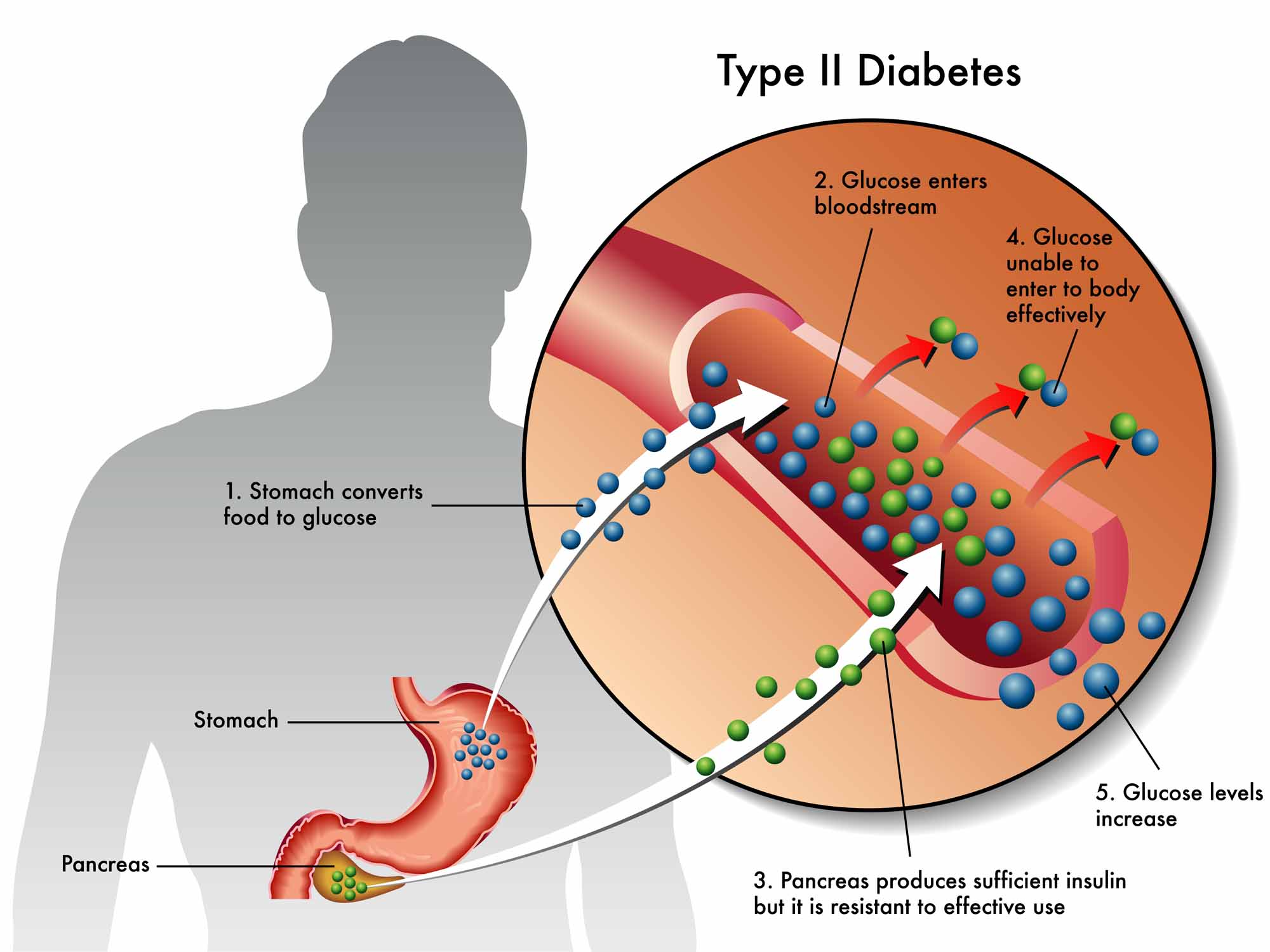
In type 2 diabetes, however, the body’s cells do not respond properly to insulin stimulation. As a result, they don’t absorb enough glucose from the blood to store or use as energy. This condition is called insulin resistance. The glucose level in the blood rises. Although the pancreas may increase insulin production to lower blood glucose, this effort often isn’t sufficient. Over time, the insulin-producing cells may become overworked and reduce their output.
Causes and Mechanisms of Type 2 Diabetes
The precise cause of type 2 diabetes remains unclear. Some theories suggest an autoimmune response against insulin or the receptors on cells. However, several lifestyle factors are known to contribute to the disease:
-
Excessive consumption of sugar and fat
-
Overweight and obesity
-
Lack of regular physical activity over many years
Because of these factors, type 2 diabetes can often be prevented through a balanced diet and regular exercise.
When the body’s cells take up less glucose and more glucose accumulates in the blood, several physiological effects occur:
-
Body cells receive insufficient fuel for their functions.
-
The blood’s osmolarity (molecular concentration) increases, pulling water out from body tissues into the bloodstream. This leads to dehydration of the tissues and more frequent urination.
-
The body breaks down protein and fat to meet energy needs, resulting in weight loss and muscle reduction.
These changes lead to the symptoms associated with type 2 diabetes.
Symptoms of Type 2 Diabetes
Type 2 diabetes is the most common form of diabetes—approximately ten times more prevalent than type 1 diabetes, which is caused by reduced or absent insulin production. Typically, type 2 diabetes appears after age 50, but the current high sugar and fat intake in Western countries is leading to increased cases in younger people. Symptoms develop gradually and include:
-
Increased urination
-
Dehydration (lack of water in the body)
-
Excessive thirst
-
Dry mouth
-
Increased appetite
-
Slow healing of wounds
-
Itchy skin
-
Yeast infections
-
Blurred or impaired vision
Over time, type 2 diabetes can lead to atherosclerosis, narrowing of blood vessels, heart disease, and stroke.
Treatment of Type 2 Diabetes
The main approach to treating type 2 diabetes involves reducing sugar intake and losing excess weight. These changes reduce the strain on the body’s blood sugar control systems, helping normalize blood glucose levels. When diet and exercise alone aren’t enough, blood sugar-lowering medications may be prescribed. In cases where insulin production decreases, insulin injections may also be necessary.
Some natural products on the market may support blood sugar regulation in type 2 diabetes. While they cannot cure the disease or replace insulin, these supplements often contain minerals essential for enzyme function in glucose metabolism and herbs traditionally used to help balance blood sugar. Scientific studies have shown some of these herbs to be effective.