

Special regions within the pancreas called the islets of Langerhans produce a hormone known as insulin. Insulin is a small protein hormone that signals muscle and other body cells to absorb glucose from the bloodstream. These cells then convert glucose into glycogen—a type of stored starch—and keep it for future energy needs. When the body needs energy, glycogen is converted back into glucose and used as fuel. Through this process, insulin helps maintain normal blood glucose levels.
In type 1 diabetes, the cells that produce insulin are damaged or destroyed. As a result, less glucose is absorbed from the blood into body cells, causing glucose to build up in the bloodstream.
Causes and Mechanisms of Type 1 Diabetes
The precise cause of type 1 diabetes is still not fully understood. One possible cause is an autoimmune response that mistakenly attacks and destroys insulin-producing cells in the islets of Langerhans. Viral infections may also trigger the disease. Additionally, genetics can play a role, with a partial inherited risk.
When glucose uptake by the body’s cells decreases and glucose accumulates in the blood, several physiological effects follow:
-
Body cells receive insufficient fuel for their activities.
-
The blood’s osmolarity (concentration of molecules) rises, drawing water out of body tissues into the bloodstream. This causes tissue dehydration and increases urine output.
-
The body begins breaking down proteins and fats for energy, leading to weight loss and muscle wasting.
These effects explain many of the symptoms seen in type 1 diabetes.
Symptoms of Type 1 Diabetes
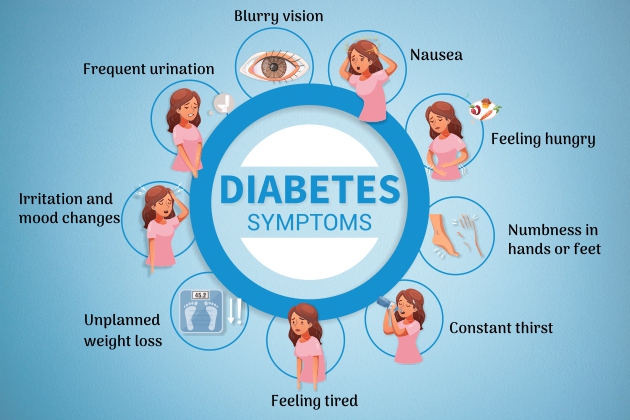
Type 1 diabetes often appears suddenly and commonly affects children and young adults. Due to the lack of insulin and resulting high blood sugar, early symptoms include:
-
Frequent urination
-
Dehydration
-
Excessive thirst due to fluid loss
-
Dry mouth
-
Increased appetite
-
Extreme fatigue and weakness
-
Weight loss despite normal or increased food intake
-
Blurred or impaired vision
If blood sugar levels stay uncontrolled, harmful substances known as ketones build up, causing a dangerous condition called diabetic ketoacidosis (DKA). This can result in coma or death. Signs of ketoacidosis include:
-
Vomiting
-
Abdominal pain
-
Rapid breathing
-
Fast heart rate
-
Excessive sleepiness or drowsiness
Over time, uncontrolled type 1 diabetes can severely damage blood vessels, harming vital organs such as the heart, eyes, and kidneys.
Treatment of Type 1 Diabetes
Type 1 diabetes requires treatment with insulin injections to replace the hormone the body no longer produces. Experimental therapies include transplanting insulin-producing cells or stem cells into the pancreas to restore insulin production.
Managing the disease also involves balancing diet—particularly sugar and fat intake—to align with insulin doses. Regular monitoring of blood glucose is crucial to adjust insulin appropriately.
Some natural supplements on the market may assist in regulating blood sugar levels in type 2 diabetes by supporting glucose metabolism. While these do not replace insulin therapy or cure type 1 diabetes, certain minerals and traditional herbs have shown beneficial effects in studies.