

Sudden vision loss is more common than many people realize. In fact, blindness can strike without warning—often in individuals who had no idea they were at risk.
Two of the most frequent causes of unexpected vision loss are diabetes and glaucoma. These conditions are often called the “silent thieves of sight” because symptoms may not appear in the early stages. By the time vision problems are noticed, permanent damage may already have occurred.
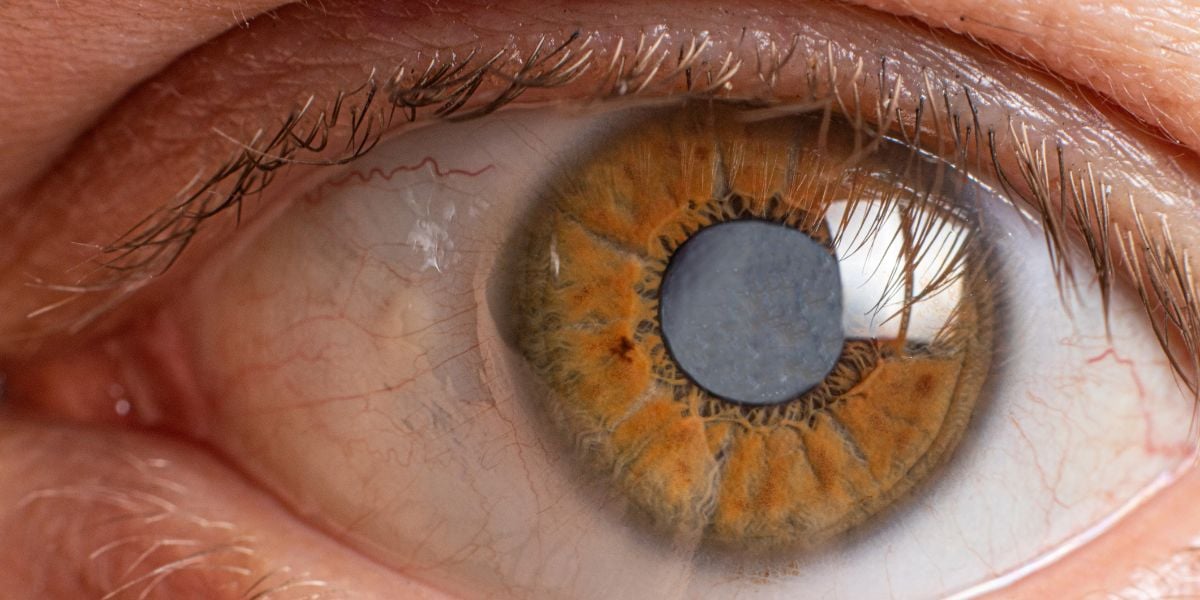
Diabetic eye disease is currently the leading cause of blindness among adults. On average, 55 Americans lose their sight to this disease every day. And with diabetes becoming more prevalent—driven by unhealthy diets, sedentary lifestyles, and an aging population—the numbers are expected to grow. Shockingly, one in three children born in the U.S. Born just five years ago, one in three children is expected to develop diabetes during their lifetime.
Diabetes affects vision in a significant way, with up to 70% of diabetics experiencing partial or total vision loss. Alarmingly, 30% of people with diabetes are unaware they even have it. Even those who have been diagnosed often underestimate the risks involved.
A survey conducted by Lions Clubs International found that 60% of diabetics were not concerned about the possibility of going blind or losing a limb. However, the reality is stark: nearly three-quarters (74%) of people with diabetes will suffer from serious complications—including vision loss, limb amputation, or kidney failure.
Glaucoma, another major cause of blindness, refers to a group of eye disorders that gradually damage the optic nerve—the vital link between the eyes and the brain. Increased pressure inside the eye is often the cause of this damage, and once the optic nerve is affected, the resulting vision loss is usually permanent.
Currently, glaucoma is the second leading cause of blindness in the United States. Yet public awareness remains low. It’s estimated that 4.2 million Americans are living with glaucoma, and half of them don’t know it.
Both diabetes and glaucoma disproportionately affect Black and Hispanic populations, who are thought to have a genetic predisposition to these conditions. Additional high-risk groups include individuals over 60, those with a family history of glaucoma, people with significant nearsightedness, and notably, those living with diabetes.
The encouraging news is that a comprehensive eye exam—including pupil dilation—can detect these diseases early, often before any vision loss occurs. Eye health professionals strongly recommend that those at risk get regular eye exams as part of their overall health routine.
Educating the public about diabetic eye disease and glaucoma is essential in the fight against preventable blindness. To support this mission, Lions Clubs International collaborates with local Lions clubs, community organizations, and individuals to promote awareness, early detection, and timely treatment. Through the Lions Eye Health Program, they offer educational materials at health fairs, senior centers, and community events, along with outreach strategies aimed at increasing public knowledge about these silent but serious eye diseases.