

I was quickly diagnosed with intermittent claudication (blocked arteries in my legs), high blood pressure, Type 2 diabetes, and being overweight.
Not great news. The intermittent claudication made it difficult to move, essentially confining me to my home and garden. Exercise was impossible because my legs just couldn’t handle it. Angioplasty was attempted to fix this but unfortunately, it didn’t help.
My high blood pressure was managed with a combination of four medications, but losing weight remained a challenge.
When it came to my diabetes, I was given a choice: control blood sugar with medication or diet. Since I was already on multiple blood pressure drugs, I chose to try controlling my diabetes through diet, hoping it would also help with weight loss.
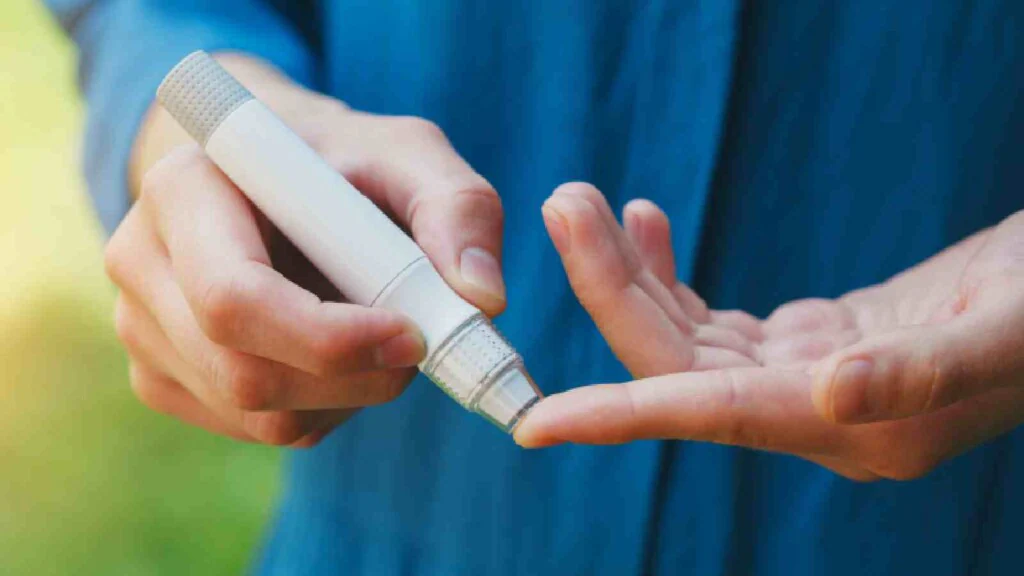
My diabetic nurse gave me a blood sugar monitor and initially I was told to keep readings under 9 mmol/L; my doctor advised under 7, and now it’s under 5. My long-term average is 5.3—a huge improvement from before.
I started testing my blood sugar three times a day and was surprised at how certain foods affected me. For example, plain porridge raised my sugar to 16 despite it being slow-release multigrain, and a single apple gave me a 12. Even tea with milk but no sugar caused a 10 reading. Clearly, there was more to learn.
First, I realized the importance of hydration. I cut out sugary fizzy drinks and started drinking plain water—something the Swedes call “Silver Tea”—and now have several cups a day. Low-calorie tonic water (helps with cramps), mineral water, low-calorie ginger beer, and cold filtered tap water became staples.
The next vital step: limiting carbohydrates to under 40 grams per day. I cut out bread, cakes, sweets, pasta, rice, cereals, biscuits, sugar, fruit juice, potatoes, honey, jam, marmalade, and baked beans. Reading food labels was eye-opening!
Instead, I increased vegetables and low-carb fruits, such as broccoli, cabbage, spinach, runner beans, Brussels sprouts, cauliflower, peppers, tomatoes, courgettes, aubergines, swede, squashes, celeriac, and green salads. Fruits like rhubarb, grapefruit, raspberries, loganberries, strawberries, and blueberries are okay but in moderation. No added sugar—cinnamon is my sweetener of choice. Avocados are low in carbs but high in fat, so I limit those to half a fruit a day. I also add nuts and seeds, but sparingly.
Regarding alcohol, I avoid all beers but allow one or two glasses of red wine daily.
I steer clear of processed foods and absolutely avoid hydrogenated fats—those seem like a food industry scam, harmful to health. I buy only genuine, lean cuts of meat, poultry, game, and fish. To reduce saturated fats, I cook on a griddle and trim excess fat. Olive and nut oils are my go-to cooking fats, while lard is off-limits. I include game meats and plenty of oily and white fish like salmon, haddock, tuna, swordfish, mackerel, and kippers.
I’ve never felt hungry eating simple, whole foods. I do miss plain yogurt, vanilla ice cream, and cheese, but I allow myself occasional treats within my carb limits.
The results speak for themselves:
-
My good cholesterol is high
-
My bad cholesterol is low
-
My Type 2 diabetes is well controlled by diet alone
-
I’ve lost 10 pounds
My next goal is to lose another 30 pounds. I’m confident it’s achievable. As I lose weight, I’ll be able to increase my activity, which motivates me to keep my calorie intake in check. Finally, I feel in control of my body and truly understand the saying: you are what you eat!