

Many vitamins, such as the Vitamin B complex—including Thiamine (Vitamin B1) and Pyridoxine (Vitamin B6)—are effective in helping control diabetes. Other vitamins like Vitamin C and Vitamin E also play important roles in managing the condition. Here’s a look at how these vitamins can benefit you in controlling diabetes:
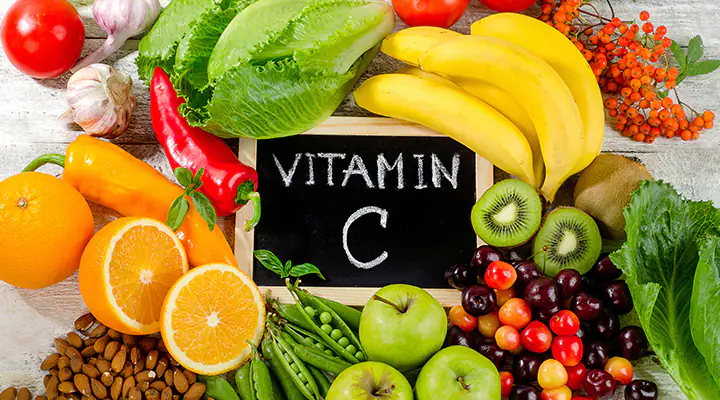
Vitamin C
Vitamin C is highly beneficial for diabetics. Due to stress, increased urinary losses, and the effects of artificial sweeteners, people with diabetes often require higher amounts of Vitamin C. Supplementing with large doses has shown promising results. Dr. George V. Mann, in Perspectives in Biology and Medicine, recommended extra Vitamin C for diabetics, as it can help increase natural insulin production.
Good sources of Vitamin C include dried Indian gooseberry (amla)—one of the richest natural sources—as well as citrus fruits, green leafy vegetables, sprouted Bengal gram, and green grams. Vitamin C supplements of 500 mg are also commonly used.
Vitamin E
Vitamin E can significantly reduce the vascular damage often associated with diabetes. Dr. Willard Shute, in The Complete Book of Vitamins, recommends a daily intake of 800–1600 IU of vitamin E to help prevent arterial degeneration in people with diabetes.
A Swedish study supports Vitamin E therapy, noting it can help reduce insulin requirements in diabetics. A typical recommendation is a daily dose of 200 IU for two weeks at a time.
Natural sources rich in Vitamin E include wheat germ, whole grain products, fruits, green leafy vegetables, milk, and raw or sprouted seeds. Vegetable oils that are cold-pressed, including sunflower, safflower, and soybean oils, as well as foods like almonds, alfalfa, lettuce, and even breast milk, are all rich sources.
Vitamin A
Diabetics often have difficulty converting beta-carotene into Vitamin A, making supplementation necessary. Some experts recommend a dose of 15,000 IU on alternate days to meet this need.