

The Global Rise in Diabetes Cases
In the last two decades, the worldwide prevalence of diabetes has surged dramatically. From 30 million to a staggering 230 million, diabetes is now a major health crisis, claiming countless lives and severely burdening healthcare systems around the world, according to recent data from the International Diabetes Federation.
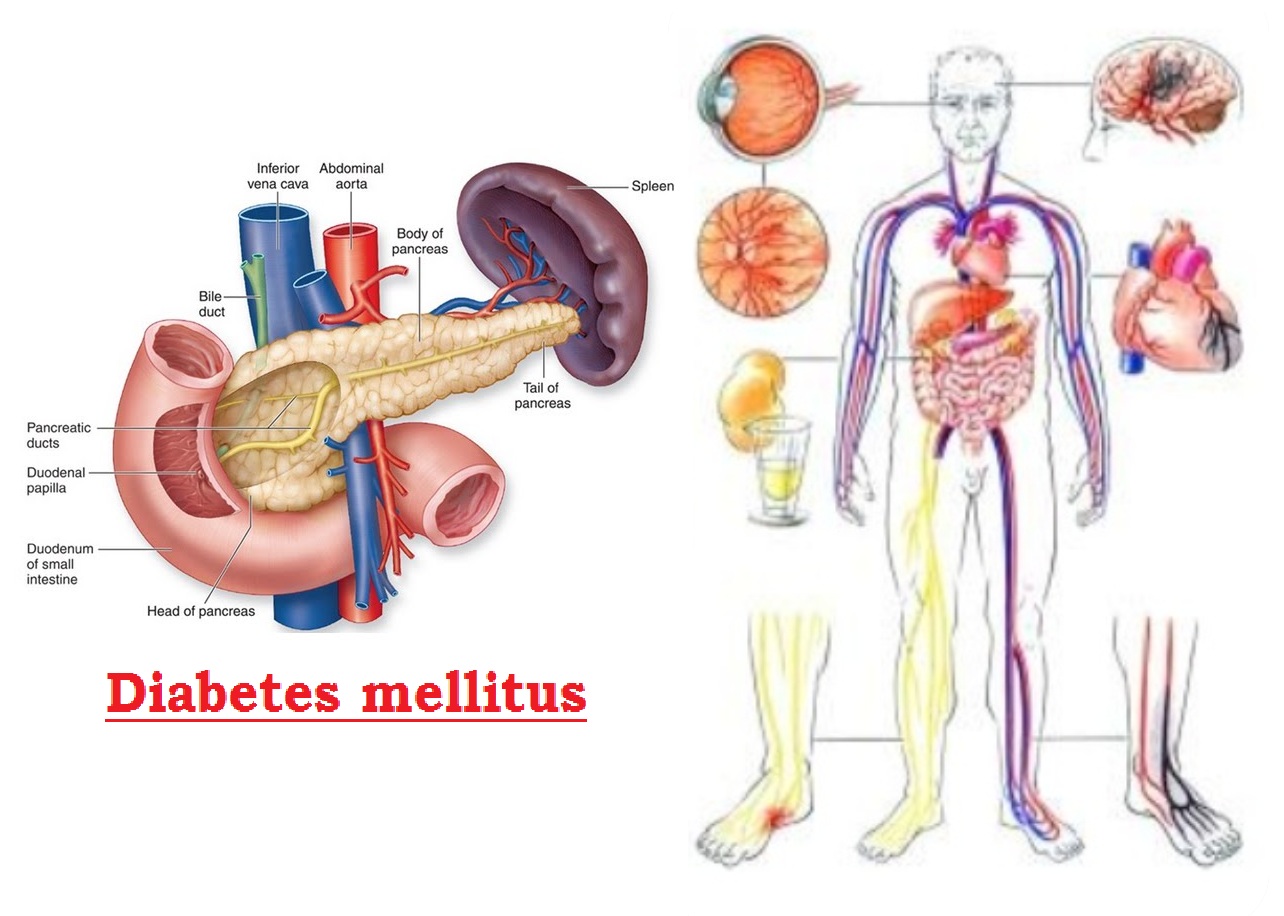
What Exactly is Diabetes?
Diabetes is a condition where your body struggles to effectively store and utilize energy, which it primarily gets from a substance called glucose (a type of sugar). Glucose is obtained from common foods like bread, pasta, rice, potatoes, fruits, and certain vegetables. To process and use glucose, your body needs a hormone called insulin. Insulin is produced by the pancreas, a gland that plays a crucial role in managing blood sugar levels. Diabetes is primarily classified into three types: Type 1, Type 2, and gestational diabetes, with the latter affecting women exclusively during pregnancy.
Types of Diabetes Mellitus
Diabetes mellitus is a broad and complex disorder that can be caused by various factors. It is generally categorized into two main groups: idiopathic and secondary.
Idiopathic Diabetes: This category includes:
-
Insulin-dependent diabetes mellitus (IDDM): Commonly known as Type 1 diabetes, it typically develops in childhood and results from the autoimmune destruction of the pancreatic beta cells, which produce insulin. Without insulin therapy, this form of diabetes leads to a dangerous condition known as ketoacidosis.
-
Non-insulin-dependent diabetes mellitus (NIDDM): Also called Type 2 diabetes, this type is characterized by persistent high blood sugar (hyperglycemia) but is less likely to result in ketoacidosis. It typically occurs in individuals over the age of 40. Type 2 diabetes develops when the body becomes resistant to insulin or doesn’t produce enough of it. It has two primary forms:
-
Type 2 associated with obesity, typically seen in individuals with higher body weight.
-
Type 2 not associated with obesity, where other factors contribute to insulin resistance.
-
Gestational Diabetes: This type occurs only during pregnancy and often resolves after the pregnancy ends. However, it can increase the risk of developing Type 2 diabetes later in life.
Managing Diabetes with Meal Planning
When it comes to managing diabetes, it’s crucial to create a balanced meal plan that includes carbohydrate-rich foods in each meal or snack. This helps maintain stable blood glucose levels. You are encouraged to choose foods you enjoy while ensuring they contribute to a healthy, balanced diet. The timing of your main meals, whether at lunch or dinner, can be adjusted based on your personal preference and needs.
Immediate Action for Diabetic Emergencies
In certain cases, especially with Type 1 diabetes, the onset of the disease can be sudden and severe, leading to a medical emergency known as ketoacidosis. This condition can develop when the body starts breaking down fat instead of glucose due to a lack of insulin. Symptoms include:
-
Loss of appetite
-
Unexplained weight loss
-
Vomiting
-
Excessive urination
-
Mental confusion
-
In extreme cases, coma
If you experience these symptoms, immediate medical intervention is necessary to prevent life-threatening complications.