

Diabetes remains a major epidemic in the U.S., but experts are increasingly concerned that ethnic and cultural beliefs may prevent some populations from receiving effective treatment.
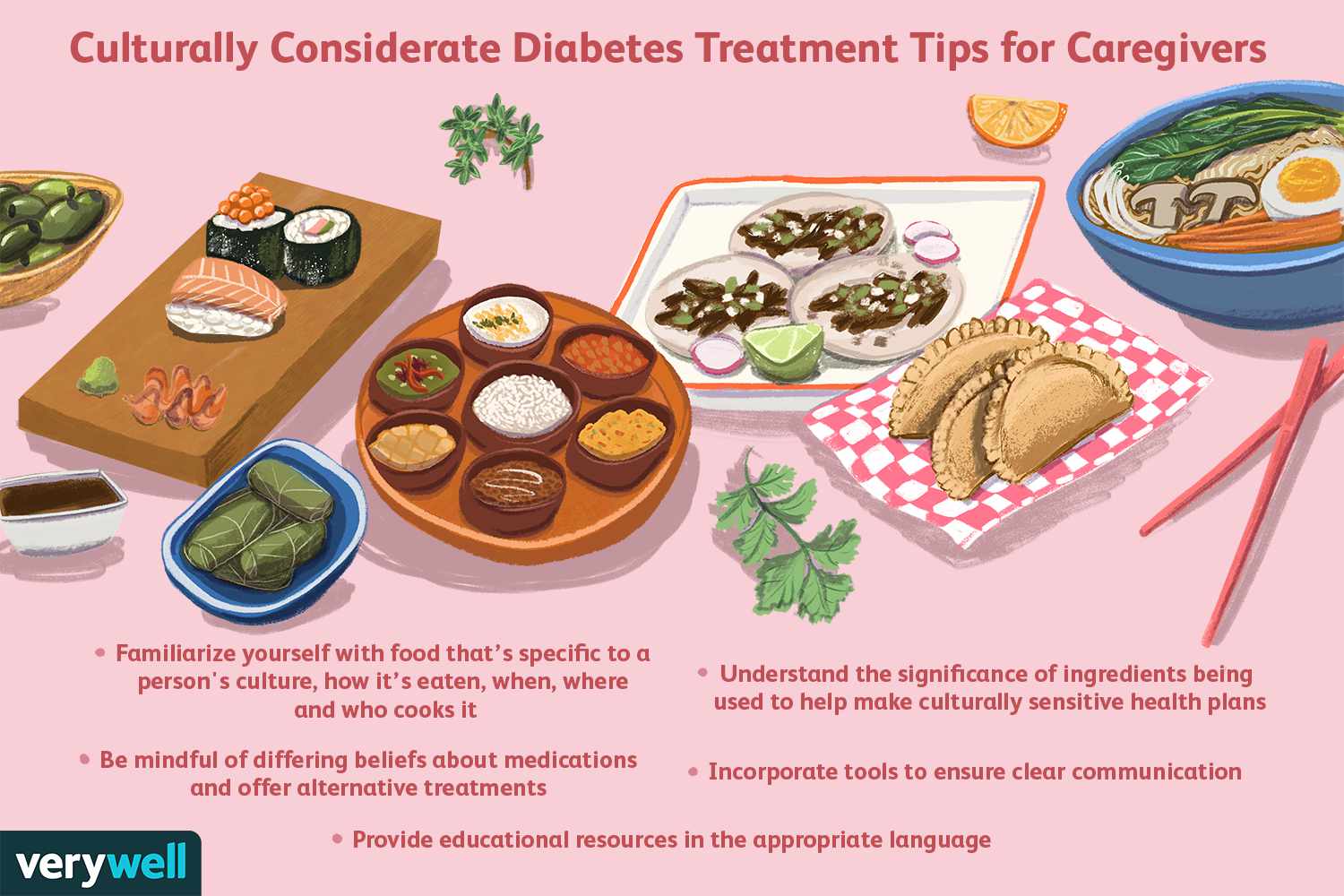
According to Dr. Kevin McKinney, chairman of the Minority Health Affairs Committee at the American Association of Clinical Endocrinologists, a one-size-fits-all approach won’t work. Physicians, families, and community leaders must collaborate to develop culturally tailored programs.
Cultural views on medicine and illness complicate the problem. In some communities, religious beliefs play a central role in health decisions, sometimes delaying medical treatment and increasing risks. Many people may know about diabetes but are unaware that lifestyle changes can significantly reduce their risk.
Education is critical to reducing diabetes prevalence in these groups. McKinney suggests combining diabetes education with cultural activities at community and religious centers to promote awareness and healthier habits, including modifications to traditional diets.
Currently, over 21 million Americans have diabetes—a figure expected to rise to 31 million by 2050. Every day, approximately 4,100 people are diagnosed.
Despite this, Dr. Frank Vinicor from the CDC notes progress in combating diabetes. He emphasizes that type 2 diabetes can often be prevented, and complications such as blindness, amputations, and heart disease can be avoided with proper care.
Recent data show declines in diabetes-related amputations and kidney disease, and fewer deaths among people with diabetes. Vinicor says, “We’re beginning to see light at the end of the tunnel.”