

Apple
The popular sub-acid apple ranks among the most valuable fruits for managing diabetes, thanks to its rich pectin content. Pectin—found in the inner rind and pulp—assists in body detoxification by providing galacturonic acid, which helps eliminate harmful substances. Studies suggest that pectin may reduce insulin requirements by around 35%.
Beyond diabetes management, apples are also considered beneficial for combating depression. They contain nutrients such as vitamin B1, phosphorus, and potassium that aid in the synthesis of glutamic acid—a neurotransmitter that helps protect nerve cells from wear and tear. Consequently, apples act as an effective tonic, revitalizing nerves and renewing energy.
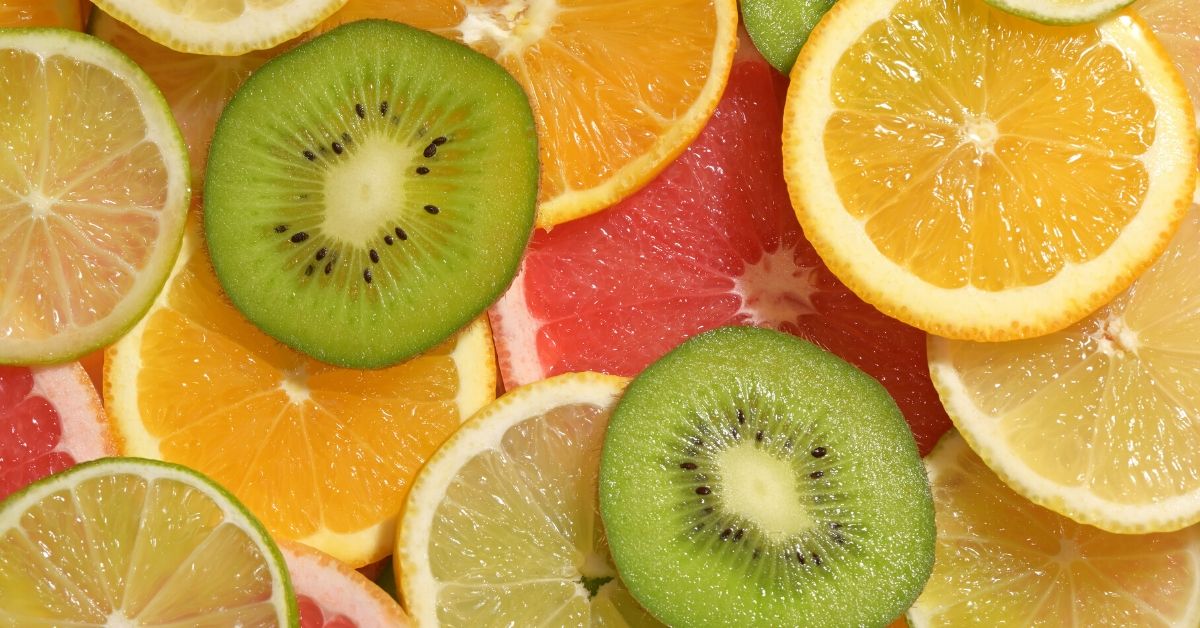
Grapefruit
With its delightful flavor and refreshing nature, grapefruit holds a distinguished place among citrus fruits. Nutrition experts highly recommend it for diabetics, noting that regular consumption could help reduce the prevalence of diabetes.
Dr. Riley, a noted authority, advises individuals with high blood sugar—or those at risk—to consume grapefruit three times daily. Meanwhile, it’s essential to reduce intake of starches, sweets, and fats, and instead increase fruits, vegetables, and juices. For non-insulin users, noticeable improvements in blood sugar levels may be seen within two weeks of this diet. If you’re using insulin, results may take longer.
Jambul (Rose Apple)
Grown widely across India, the jambul fruit (or rose apple) is esteemed in traditional medicine for its anti-diabetic properties.
-
Fruit and Seeds: Jambul seeds and juice are believed to support pancreatic health. They contain ‘jamboline’, a compound thought to inhibit the conversion of starch into glucose, thereby helping lower urinary sugar and reduce thirst. A common remedy involves consuming a water-based mixture of dried seed powder three to four times daily.
-
Inner Bark Ash: In Ayurvedic practice, the inner bark is dried, burned, and turned into ash. This ash is then ground, strained, and stored. Diabetics often take 2 g of this ash three times daily—morning, afternoon, and evening, one hour after meals.
-
For Excessive Urination: The seed powder is also valued for managing frequent urination. A dose of 1 g in the morning and evening has shown effectiveness in improving this condition.