

Diabetes and Tanning
If you are being treated for lupus or diabetes, or if you are prone to cold sores, be aware that exposure to ultraviolet (UV) radiation—whether from tanning devices, sunlamps, or natural sunlight—can aggravate these conditions and increase skin sensitivity. Additionally, certain medications such as antihistamines, tranquilizers, or birth control pills may increase your skin’s sensitivity to both artificial and natural light.
Many tanning salons maintain records of their clients’ medical histories, medications, and treatments. Be sure to update this information regularly to ensure your safety.
Protecting Yourself
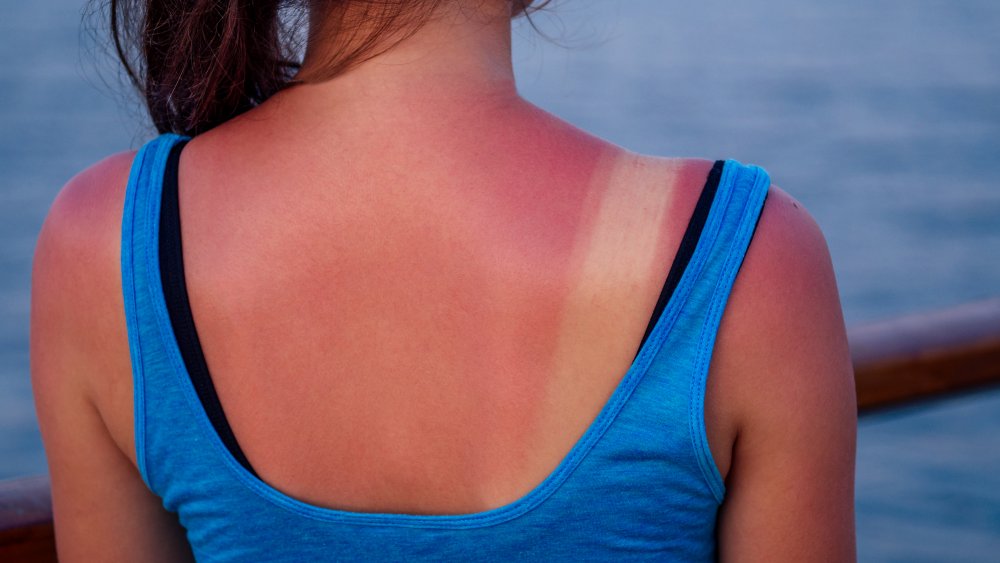
Minimize your time in UV radiation to prevent sunburn. When using tanning devices, ask the manufacturer or salon staff about recommended exposure limits based on your skin type. Use timers on tanning devices that automatically shut off the lights or alert you when your exposure time is up. Remember, both exposure time and your age at the time of exposure significantly affect your risk of burning.
Knowing Your Tanning Lotion
Not all suntanning products contain sunscreen. Just a few severe sunburns can increase your risk of skin cancer, and skin damage accumulates over years—even without visible burns. Therefore, it’s crucial to apply sunscreen that shields your skin from both UVA and UVB radiation. The FDA advises consumers to check for SPF protection on tanning products.
Sunscreen is regulated by the FDA as an over-the-counter (OTC) drug. Choose products with a sun protection factor (SPF) of 15 or higher—the higher the SPF, the better the protection. Put on sunscreen generously half an hour before sun exposure, and remember to reapply it every two hours.
Tanning Salons
Sunlamps primarily produce UVA rays, which are less likely to cause sunburn compared to UVB rays from the sun. However, despite claims by some tanning salons, UVA rays are not harmless. They have been linked to malignant melanoma and may also contribute to immune system damage.
Tanning Safely
Consider safer alternatives such as sunless tanning lotions, which provide a natural-looking tan without exposure to harmful UVA and UVB rays. Sunless tanning can give you that desired glow without the risks associated with traditional tanning.