

When discussing diabetes, it’s natural to feel worried—whether you suspect you might have it or fear developing it in the future. You might be eager to know if you’re at risk or if you’re already showing symptoms.
Diabetes affects how your body processes carbohydrates, fats, and proteins. If not properly managed, it can lead to serious health complications. People with diabetes have high blood sugar levels, which are normally regulated by insulin—a hormone produced by the pancreas that depends largely on your eating habits.
Diabetes is a serious condition, but the encouraging fact is that it can be managed effectively, and in some cases, even reversed. It is the leading cause of chronic kidney disease (CKD). This condition arises when the body cannot properly regulate blood glucose levels, resulting in excess sugar in the bloodstream. In the U.S., diabetes affects approximately 16 million people.
Common Symptoms of Diabetes
There is no single clear symptom of diabetes, but the most common signs include:
-
Excessive thirst
-
Frequent urination
-
Increased hunger
-
Constant fatigue or tiredness
Other symptoms, often related to diabetes complications, include:
-
Changes in vision
-
Recurrent skin infections that are slow to heal
-
Tingling or numbness in hands or feet
-
Gum disease
-
Hair loss
Types of Diabetes
Type 1 Diabetes (juvenile or insulin-dependent diabetes):
Occurs when the pancreas fails to produce insulin.
Type 2 Diabetes (non-insulin dependent or adult-onset diabetes):
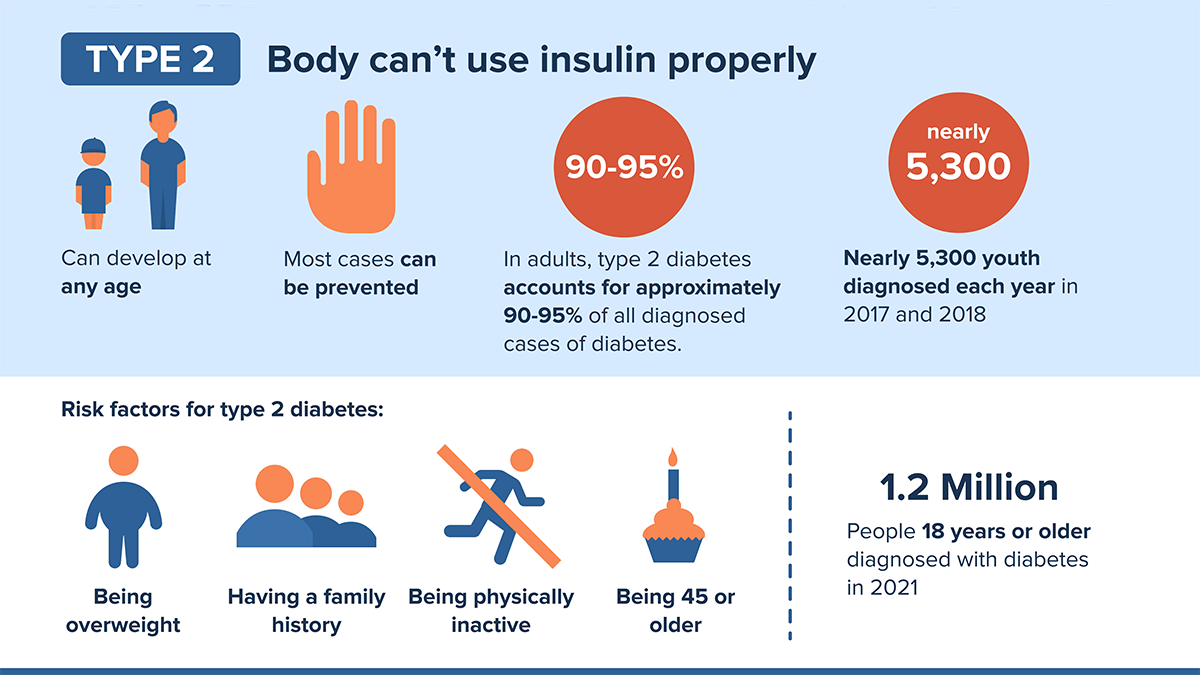
Happens when the body’s tissues become resistant to insulin. This form is often hereditary and accounts for about 90-95% of diabetes cases.
Type 2 diabetes is a chronic condition characterized by elevated blood sugar levels. Many people (up to two-thirds) with type 2 diabetes may not show symptoms. Obesity is the single most important risk factor, and recently, about 20% of new type 2 diabetes cases have been reported in individuals aged 9-19. The more informed you are about type 2 diabetes, the better you can manage or prevent its onset.
Potential Complications of Untreated Diabetes
If diabetes isn’t well controlled, it may result in:
-
Kidney damage
-
Heart disease
-
Nerve damage
-
Episodes of hypoglycemia (dangerously low blood sugar levels)
While diabetes has no definitive cure, it can be effectively managed with a healthy diet and lifestyle adjustments.