

Rapid-Onset (Fast-Acting) Insulin
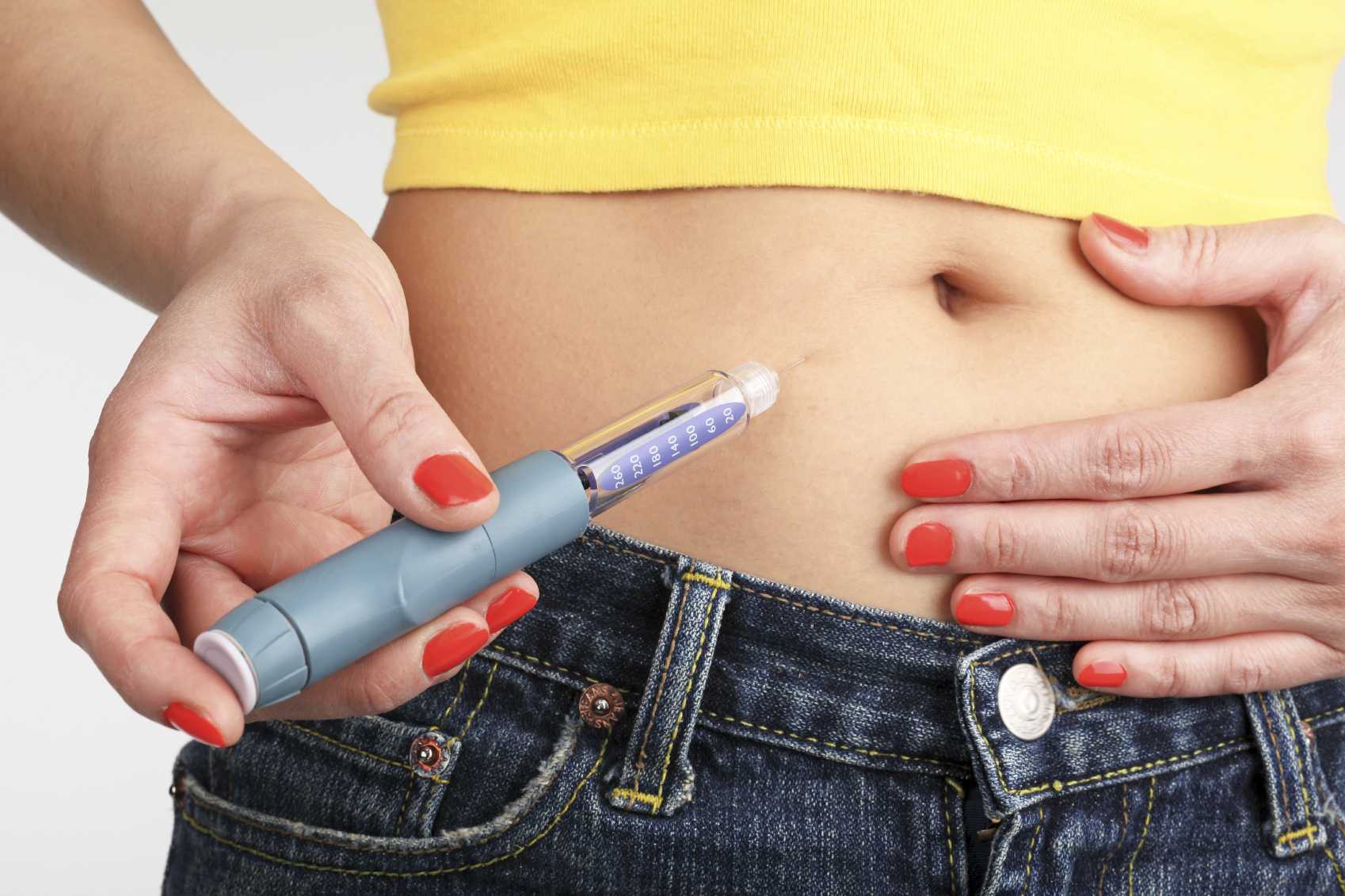
Rapid-onset, fast-acting insulin is always clear in appearance. It begins to take effect within 10 to 20 minutes after injection. Its peak effect occurs about one hour later, and it lasts for three to five hours. When using this type of insulin, it is important to eat immediately after injecting to avoid low blood sugar.
The two commonly used rapid-onset, fast-acting insulins are:
-
NovoRapid (Insulin Aspart)
-
Humalog (Insulin Lispro)
Short-Acting Insulin
Short-acting insulins also appear clear. They begin to lower blood glucose levels within about 30 minutes, so you should inject them approximately half an hour before eating.
Short-acting insulin peaks between two to four hours after injection and lasts for six to eight hours. Examples of short-acting insulin include:
-
Actrapid
-
Humulin
-
Hypurin Neutral (bovine, highly purified beef insulin)
Intermediate-Acting Insulin
Intermediate-acting insulins are always cloudy due to added substances like protamine or zinc, which delay their action. These insulins start working about 90 minutes after injection, peak between four to 12 hours, and can last from 16 to 24 hours.
Common intermediate-acting insulins include:
-
Protaphane
-
Humulin NPH
-
Hypurin Isophane (bovine)
Preventing Diabetes Complications
Managing your blood sugar levels and adhering to your diabetes treatment plan is essential for life. Poor control can lead to serious damage to blood vessels and nerves, increasing the risk of complications such as vision loss, stroke, kidney disease, and infections.
Most cases can be managed effectively with a careful diet and medication. If you are overweight, reducing your weight through diet can improve insulin effectiveness.
Why Use Insulin Pumps?
Insulin pump therapy is increasingly popular, with approximately 250,000 users worldwide. People choose pumps for various reasons, but most agree that pumps offer tighter blood sugar control and greater lifestyle flexibility, including:
-
Eating what and when you want
-
Reducing concerns about low blood sugar episodes (hypoglycemia)
-
Living life on your terms rather than sticking to rigid schedules for meals and injections
Many studies show insulin pumps lead to better outcomes in teens and adults with type 1 diabetes. Research also supports their safe and effective use in toddlers and preschool children.