

Having diabetes can greatly impact a person’s daily life. From the foods they choose to eat to their daily routines, nearly everything can be affected. For those unfamiliar with diabetes, there are many websites, magazines, and books available to help better understand the condition.
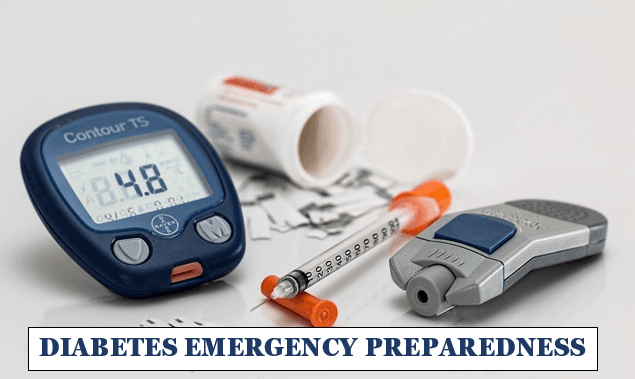
One of the biggest challenges for people with diabetes is having access to medication during emergencies. That’s why it’s crucial to always keep an emergency kit handy. To prevent medicines from expiring, it’s important to use them occasionally and replace them with fresh supplies. An emergency kit might include cold remedies, antacids, cough syrup, test strips, insulin with syringes (if needed), and other blood glucose monitoring supplies. When purchasing over-the-counter medications, always read the labels carefully. If the label advises people with diabetes to consult their doctor before use, be sure to do so. It’s also a good idea to have emergency kits not just at home, but also at work or school.
It’s essential to include your medical history, prescription medications, and emergency contact information in the kit. To protect these documents from moisture, store them in waterproof bags. If you use insulin, be sure to have extra syringes, a glucagon emergency kit, and urine ketone strips on hand. A glucagon emergency kit contains a syringe filled with liquid that must be mixed with a powder before use and is reserved for severe hypoglycemic emergencies. Keep your insulin stored in a cool place as much as possible to prevent damage.
For those affected by disasters like Hurricanes Katrina and Rita, being prepared made the difference between life and death. For people with diabetes, preparedness is crucial for personal safety and health. The best way to avoid complications is to maintain a healthy lifestyle—eating nutritious foods regularly and exercising to keep blood pressure normal and reduce the risk of heart disease and other serious issues. Most importantly, always keep your emergency kits within reach.