

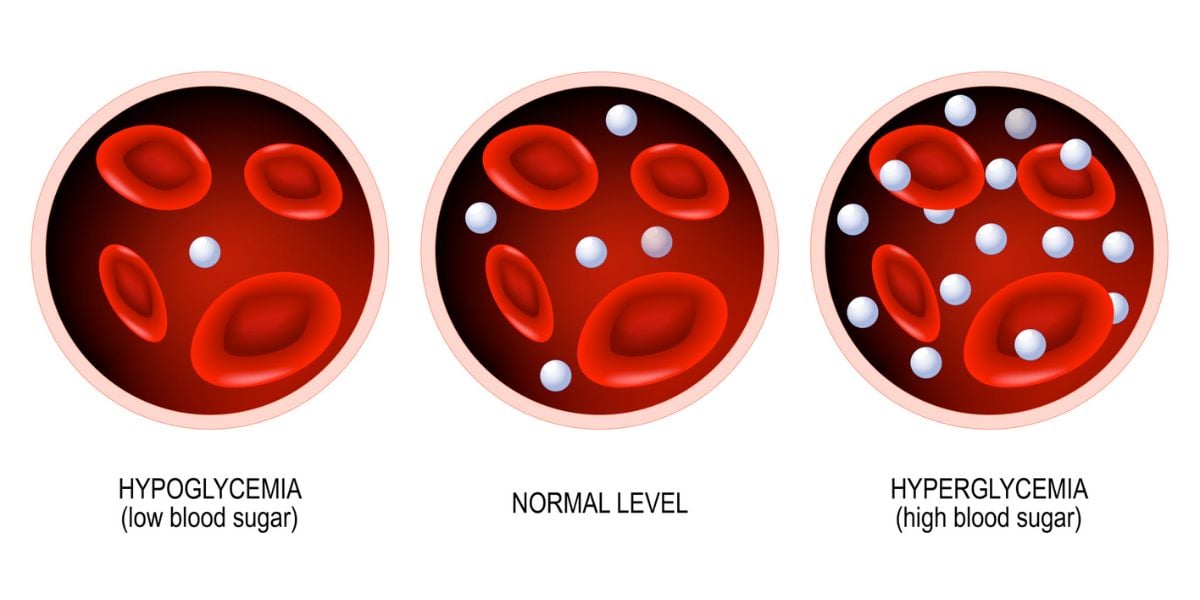
Hypoglycemia is a clinical term used to describe a condition where blood sugar (glucose) levels fall below normal. Literally, “hypoglycemia” translates to “low blood sugar.”
This condition can lead to a range of symptoms and effects, primarily due to insufficient glucose reaching the brain, which relies heavily on sugar for energy. When the brain doesn’t get enough fuel, its function becomes impaired. Symptoms can range from a general feeling of unwellness to, in severe cases, coma or even death—though the latter is rare. Hypoglycemia can occur at any age and may result from various causes, but moderate to severe episodes most commonly arise as complications of diabetes treatment involving insulin or oral glucose-lowering medications.
Do Symptoms Matter More Than the Numbers?
Studies in healthy individuals show that cognitive performance begins to decline slightly when blood glucose levels dip below 65 mg/dL. As levels fall to around 55 mg/dL, the body’s hormonal defenses—primarily adrenaline and glucagon—activate, leading to common symptoms such as shakiness, anxiety, and general discomfort.
However, noticeable mental or physical impairment often doesn’t occur until glucose drops below 40 mg/dL. Interestingly, up to 10% of people may occasionally wake up with glucose levels below 65 mg/dL without experiencing any noticeable symptoms. This highlights a key point: the brain-related effects of low blood sugar—termed neuroglycopenia—are what ultimately define whether a low glucose level poses a real issue for an individual. As a result, some experts reserve the term “hypoglycemia” for situations where both low glucose and related symptoms are present.
Diabetic Hypoglycemia: A Unique Case
Low blood sugar in individuals with diabetes differs in several important ways.
-
While home glucose monitors can sometimes give inaccurate readings, a low value accompanied by symptoms is more likely to reflect true hypoglycemia in someone taking insulin.
-
If untreated, diabetic hypoglycemia is more likely to lead to serious consequences than many other types of hypoglycemia seen in non-diabetic adults.
-
Since people with diabetes often maintain higher-than-normal blood glucose levels, they may experience hypoglycemic symptoms at levels that would not affect someone whose blood sugar is typically within the normal range.
Because of these factors, individuals with diabetes usually set a higher glucose threshold when determining whether they’re experiencing hypoglycemia.
Disclaimer: This information is for educational purposes only and should not be considered medical advice. Always consult your healthcare provider for guidance related to hypoglycemia or any other health concerns.
Permission is granted to reprint this article in full, provided that no changes are made and the entire resource box is included.