

Before insulin was discovered in 1921, people with type 1 diabetes typically died within a few years of diagnosis. While insulin isn’t a cure, its discovery was a groundbreaking advance in diabetes treatment.
Today, managing type 1 diabetes involves healthy eating, regular physical activity, and insulin therapy. Insulin levels need to be carefully matched with both food consumption and daily physical activities. Frequent blood glucose monitoring is essential, along with periodic checks using the A1C test, which reflects average blood glucose over the past 2–3 months.
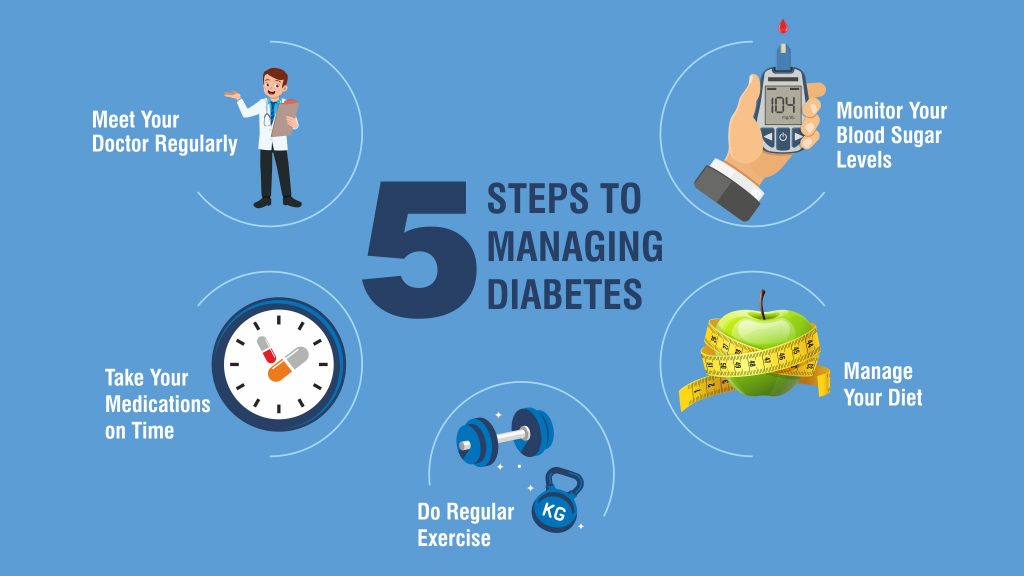
For type 2 diabetes, healthy eating, physical activity, and blood glucose monitoring are also key. Many people with type 2 diabetes may require oral medications, insulin, or both to maintain glucose control.
Adults with diabetes face a high risk of cardiovascular disease—about 65% of those with diabetes die from heart disease or stroke. Therefore, managing diabetes means controlling not only blood glucose but also blood pressure and cholesterol, often through lifestyle changes and medications if needed. Aspirin therapy and quitting smoking can further reduce risk when recommended.
People with diabetes need to take an active role in daily care to avoid blood glucose levels that are too low (hypoglycemia) or too high (hyperglycemia). Hypoglycemia can cause symptoms like shakiness, confusion, and fainting, while hyperglycemia can lead to illness if not managed.
Regular care from health professionals is important. Most people receive care from primary care doctors, but a team approach can improve outcomes. This team might include:
-
Primary care providers (internists, family doctors, pediatricians)
-
Endocrinologists (diabetes specialists)
-
Dietitians, nurses, and certified diabetes educators
-
Podiatrists (foot care specialists)
-
Ophthalmologists or optometrists (eye care specialists)
-
Cardiologists and other specialists as needed
For pregnant women with diabetes, the team should include an obstetrician experienced in diabetes, and for babies born to mothers with diabetes, a pediatrician or neonatologist may be involved.
Key studies supporting this include:
-
The Diabetes Control and Complications Trial (DCCT), which showed intensive blood glucose control in type 1 diabetes greatly reduces risks of eye, kidney, nerve, and cardiovascular complications. Its benefits have been observed even 10 years after the study ended.
-
The United Kingdom Prospective Diabetes Study (UKPDS), which demonstrated that intensive control of blood glucose and blood pressure reduces blindness, kidney disease, stroke, and heart attack in type 2 diabetes.
Effective management and teamwork can help people with diabetes lead healthier lives and reduce the risk of complications.