

The glycemic index (GI) helps us identify which foods are better or worse for controlling blood glucose levels.
When blood glucose levels rise too high, the pancreas releases insulin into the bloodstream to help deliver glucose to cells that need energy. These cells have insulin receptors that allow insulin to bind and enable glucose to enter. Inside the cells, glucose is used to produce heat and ATP, the energy molecule.
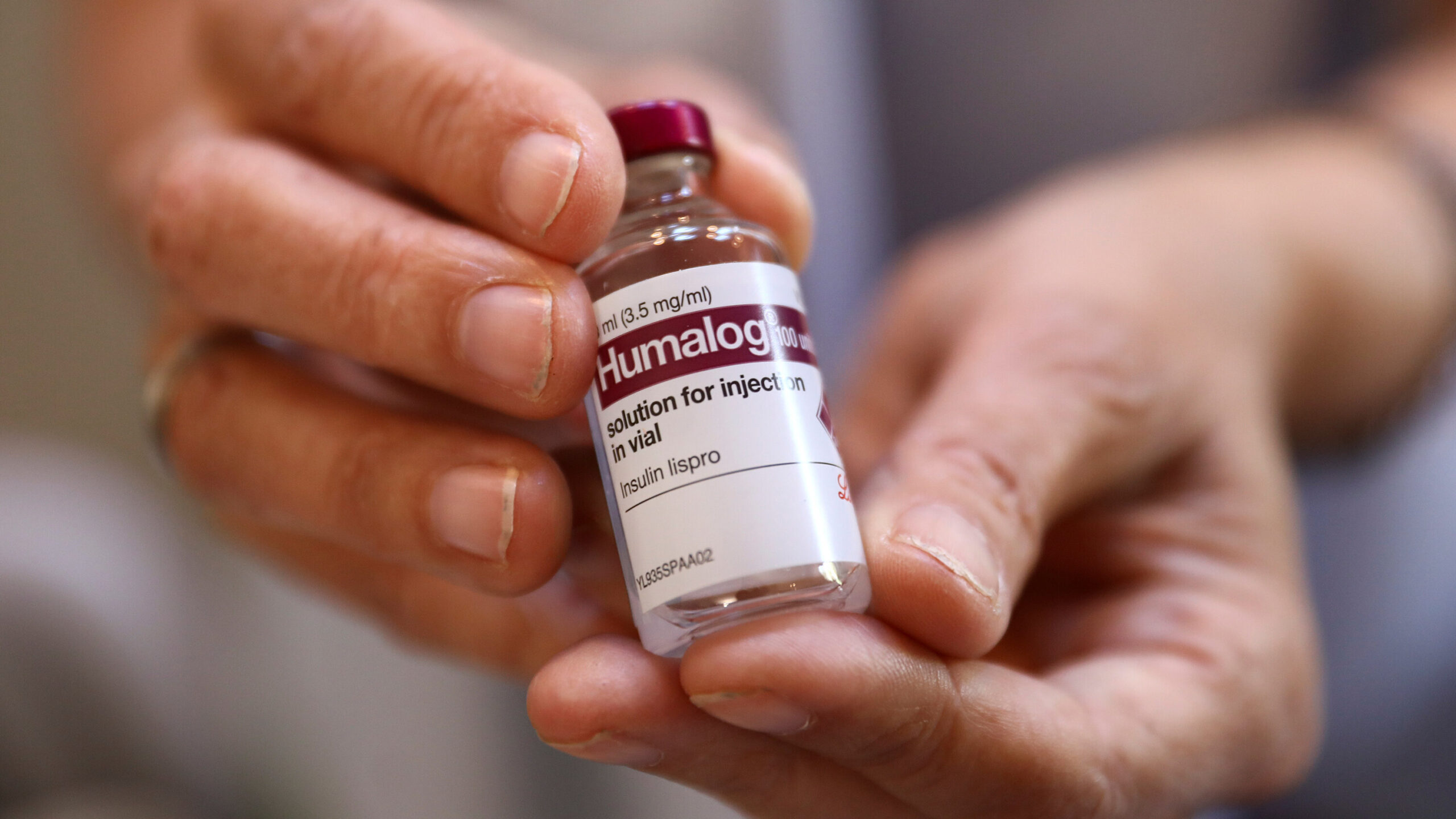
This cycle can lead to two outcomes:
-
The pancreas eventually wears out and produces less insulin, resulting in type 2 diabetes (about 30% of cases).
-
Or, the pancreas keeps producing enough insulin, leading to hyperinsulinism (high insulin levels), which can cause obesity, high blood pressure, abnormal blood fats, heart disease, and possibly some cancers.
Low GI foods cause lower insulin spikes, which is why experts promote a low GI diet. Foods with a low GI release glucose slowly, reducing insulin demand.
The glycemic index ranks carbohydrates by how quickly they raise blood glucose:
-
High GI foods break down rapidly, causing a quick glucose spike.
-
Low and intermediate GI foods digest more slowly, resulting in a gradual glucose rise.
While research continues on insulin sensitivity and obesity, overconsumption of high-GI foods and fatty fast foods remains a major health concern.