

More than 18 million people in the United States have diabetes, and nearly one-third of them remain undiagnosed. Diabetes is a serious concern because it is the leading cause of kidney failure, limb amputations, and new cases of blindness among American adults.
People with diabetes are two to four times more likely than those without the condition to develop heart disease. In fact, 65 percent of diabetics die from heart attacks or strokes.
What is Diabetes Mellitus?
Diabetes mellitus is a condition where blood glucose (sugar) levels become too high because the body is unable to use glucose effectively. Glucose comes from the digestion of starchy foods such as bread, rice, potatoes, chapatis, yams, and plantains, as well as from sugars and the liver, which produces glucose.
Normally, carbohydrates are broken down into glucose, which travels in the bloodstream (hence the term “blood sugar”) until it reaches the cells, where it is used for energy and growth. For this process to work, the hormone insulin must be present. Produced by the pancreas, insulin acts like a key, unlocking the cells so glucose can enter.
Without insulin, or when insulin does not work properly, glucose cannot enter the cells and instead builds up in the blood, leading to high blood sugar levels that can cause serious complications and premature death.
Symptoms of untreated diabetes include increased thirst, frequent urination (especially at night), extreme tiredness, weight loss, genital itching or recurring thrush, and blurred vision.
In diabetes, either the pancreas produces insufficient insulin, or the body becomes resistant to insulin’s effects. As a result, glucose builds up in the bloodstream, spills into the urine, and is lost from the body without providing energy.
Two Types of Diabetes:
Type 1 Diabetes
This occurs when the body is unable to produce any insulin. It typically appears before age 40. Treatment involves insulin injections along with diet and regular exercise.
Type 2 Diabetes
This occurs when the body produces some insulin but not enough, or when insulin is not used effectively (insulin resistance). It is often linked to being overweight. Although usually diagnosed after age 40, it can appear earlier in South Asian and African-Caribbean populations, and more children are now being diagnosed, some as young as seven.
Type 2 diabetes treatment focuses on lifestyle changes such as healthy eating, weight loss, and increased physical activity. Medication or insulin may be necessary to maintain normal blood glucose levels.
The main goal in treating both types is to keep blood glucose, blood pressure, and cholesterol levels as close to normal as possible. This, combined with a healthy lifestyle, helps prevent long-term damage to the eyes, kidneys, nerves, heart, and arteries.
Managing Diabetes: Begin with the ABCs
The National Diabetes Education Program recommends monitoring three critical factors, known as the Diabetic ABCs, to reduce risks of heart disease and stroke.
A is for the A1C test
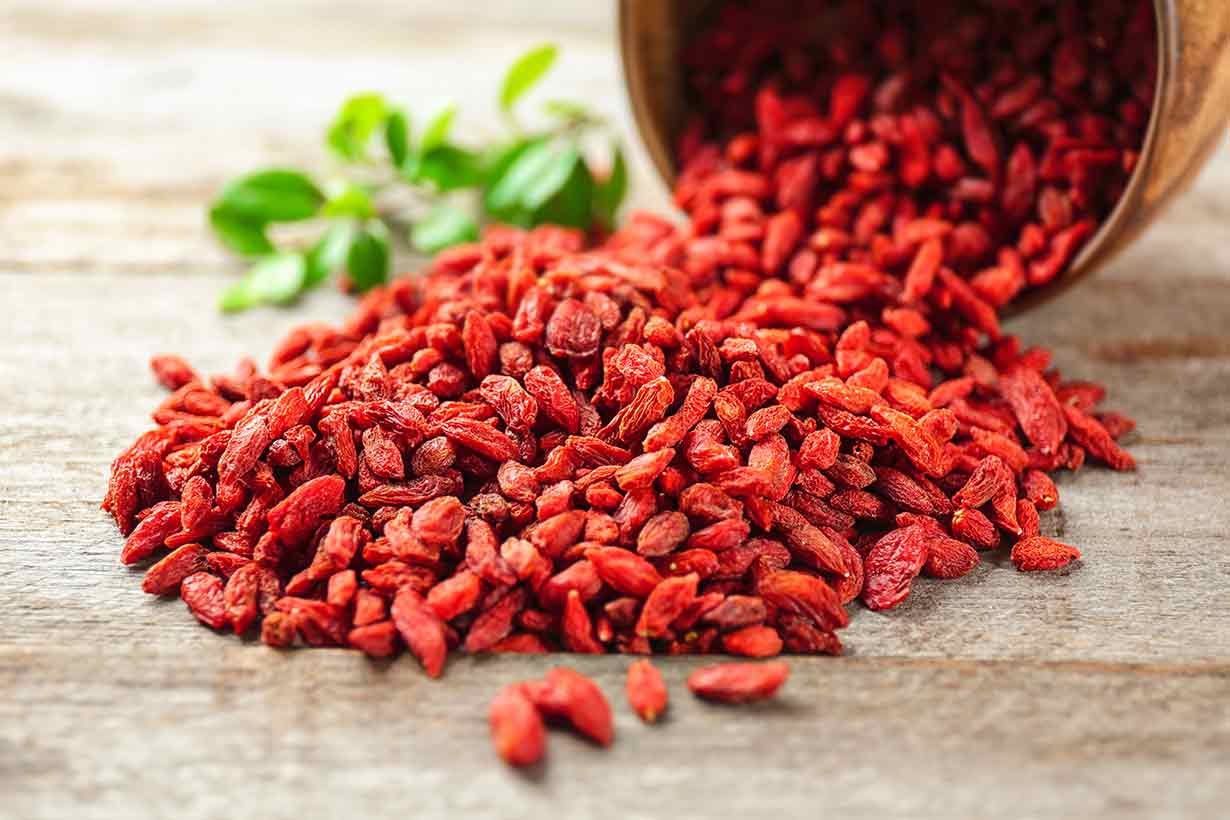
A 1998 research study demonstrated that Goji’s master molecule polysaccharides can significantly help prevent rises in blood pressure. Polysaccharides are long-chain sugar molecules that nourish macrophages—large white blood cells essential for immune defense.
Four unique polysaccharides found only in Goji berries enhance the body’s production of human growth hormone (HGH), which supports muscle growth and skin repair. The LBP polysaccharide complex, unique to Goji, stimulates HGH secretion from the pituitary gland.
One Chinese study found that LBP polysaccharides promote stem cell proliferation and increase monocytes in bone marrow, helping convert them into mature leukocytes.
B is for blood pressure
The goal is generally below 130/80 mmHg. High blood pressure raises the risk of heart attack, stroke, and kidney disease.
C is for cholesterol
Bad cholesterol (LDL) can clog arteries and cause heart attacks or strokes, while good cholesterol (HDL) helps remove bad cholesterol. Targets are LDL below 100 mg/dL and HDL above 40 mg/dL.
Goji contains beta-sitosterol, known to reduce cholesterol levels. Its antioxidants prevent cholesterol oxidation and arterial plaque formation. Additionally, Goji improves exercise tolerance, stamina, and endurance, helping to reduce fatigue, especially during recovery from illness.