

Diabetes in America
Today, over 20 million Americans are living with diabetes. The hopeful news is that pre-diabetes and Type 2 diabetes can often be prevented—and even reversed—naturally through balanced nutrition and basic exercise.
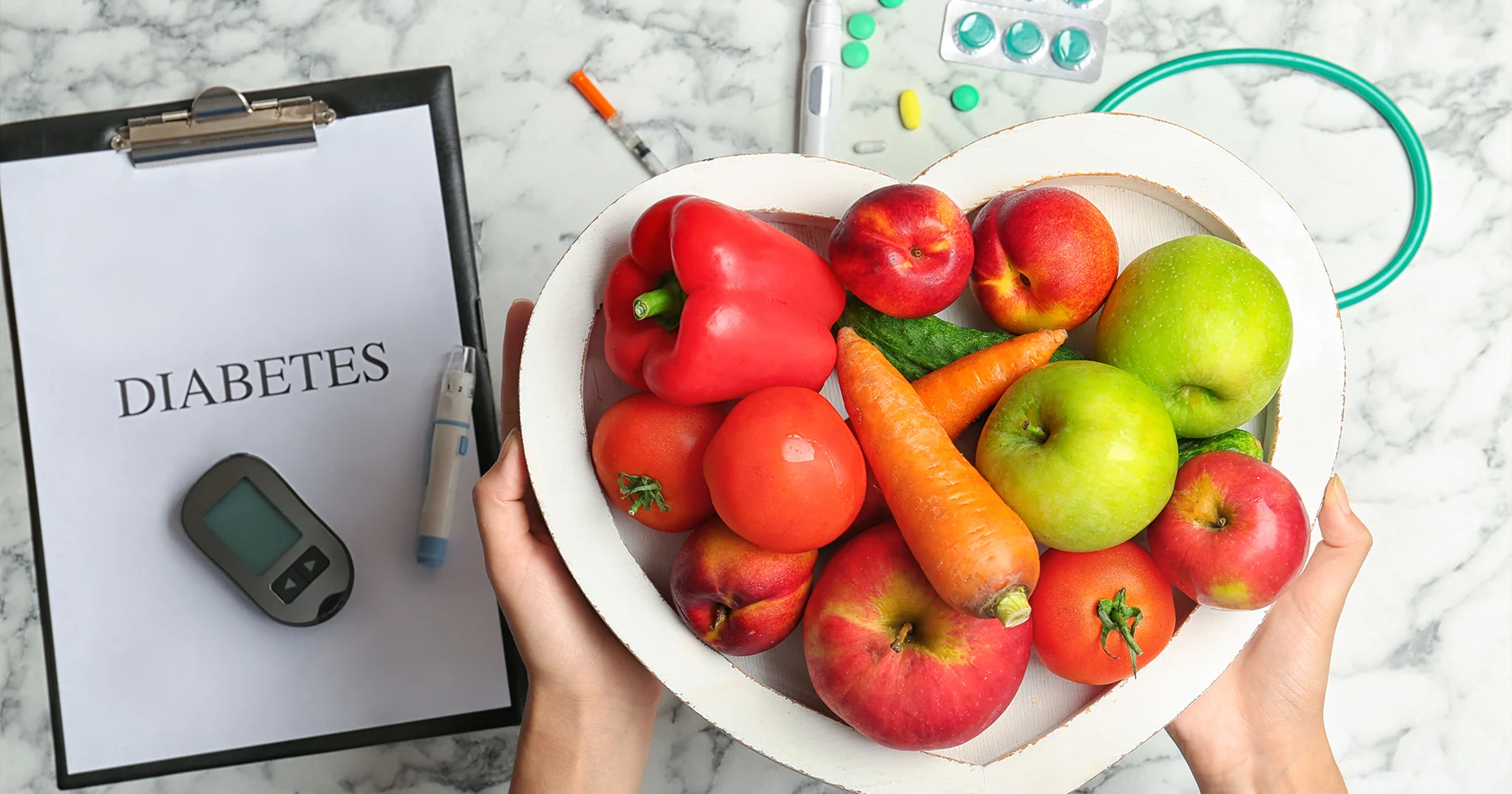
According to a New England Journal of Medicine report (May 3, 2001), people at risk of developing diabetes can reduce their chances by a remarkable 60% simply by losing just 10 pounds through healthy eating and regular exercise, like walking.
Pre-diabetes
Pre-diabetes means your blood sugar levels are higher than normal, putting you at risk for Type 2 diabetes and heart disease. The good news? If you have pre-diabetes, you can lower your risk of developing Type 2 diabetes—and even return your blood sugar to normal—by following simple lifestyle changes.
Type 2 Diabetes
Formerly known as adult-onset diabetes, Type 2 is the most common form. It usually begins with insulin resistance, where the body struggles to use insulin properly. This condition can develop at any age and is often linked to modern lifestyles characterized by fast food, stress, and inactivity.
Being overweight and inactive greatly increases the risk of developing Type 2 diabetes. Traditional treatments include diabetes medications, daily aspirin, and drugs to control blood pressure and cholesterol.
However, with modest weight loss and moderate daily exercise, you can delay or even prevent Type 2 diabetes and live a healthy, normal life. Here are some simple steps you can begin implementing today:
Strength Training
Research shows a 23% increase in glucose uptake after just four months of strength training. Because poor glucose metabolism is a hallmark of adult-onset diabetes, improving it through exercise is a key benefit.
You don’t need to live in a gym or train daily to see results. Short, high-intensity strength workouts once a week—lasting only 20 to 30 minutes—can boost your metabolism and improve glucose metabolism more than you might expect.
The two main elements are exercise intensity and proper recovery. These short, intense sessions followed by adequate rest will help build lean muscle and enhance glucose metabolism effectively.
Nutrition
To lose fat and maintain muscle, you need a lifelong food plan focused on quality nutrition. Choose whole, unprocessed foods that are low in fat and sugar but rich in vitamins and minerals.
Eat small, frequent meals throughout the day, each containing some protein to sustain muscle and energy. Taking a broad-spectrum vitamin and mineral supplement daily can help cover nutritional gaps.
If you struggle to get all your calories from solid food, consider using a blender to make nutritious shakes using skim milk and other healthy ingredients—just be sure to track your calorie intake.
Exercise
Fat is burned when your body oxidizes energy during exercise. Moderate, consistent aerobic activity is key for fat loss—not intensity.
Whether you run, jog, or walk a mile, you’ll burn about the same amount of calories. Fast walking—either outdoors or on a treadmill—is especially effective for fat loss. Other good options include biking, climbing machines, or other aerobic equipment.
Take Control of Your Health
By exercising regularly, eating a balanced diet low in fat, and losing excess weight, you can significantly reduce your risk of developing Type 2 diabetes.