

The Alarming Link Between Obesity and Diabetes
The rise in obesity is nothing short of staggering. According to the U.S. Surgeon General’s office, the number of overweight or obese adults has jumped by 50% in just the past decade. Even more concerning, recent studies suggest that one in three children born in 2000 will develop Type 2 diabetes — a condition once considered an adult-only disease but now increasingly seen in younger people, largely due to excessive weight.
Perhaps the most sobering statistic of all: in the last 10 years, deaths related to obesity-driven diseases have risen by 33%.
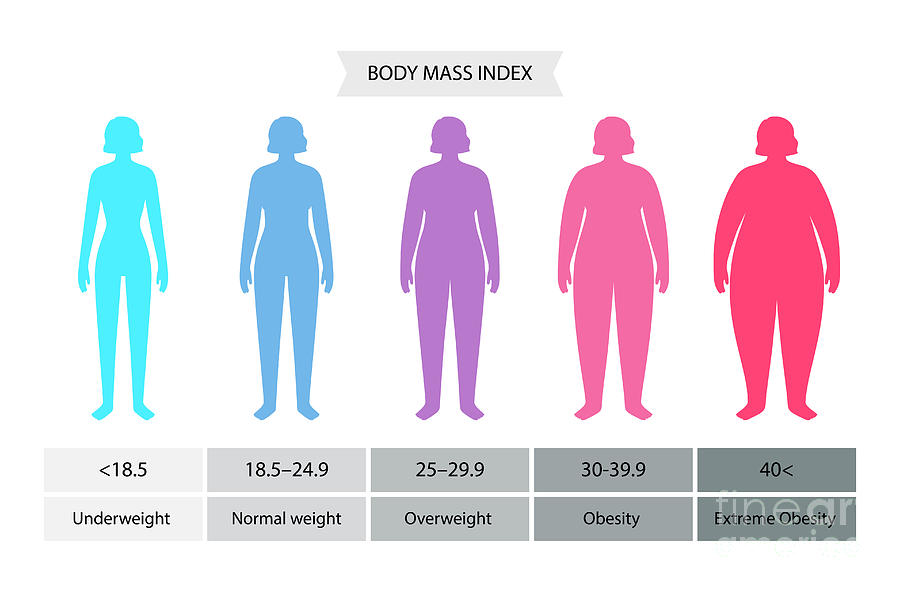
How Obesity Impacts Your Health
Obesity doesn’t just increase your risk of diabetes — it also raises your chances of developing heart disease and suffering strokes. And once diabetes sets in, the complications multiply: higher chances of heart failure, vision loss, kidney failure, and even amputations.
The connection between excess weight and diabetes is clear. That’s why anyone at risk — especially those with prediabetes or Type 2 diabetes — should pay close attention to their Body Mass Index (BMI).
What Is BMI and Why Does It Matter?
BMI (Body Mass Index) is a quick way to estimate how much of your body weight comes from fat. While it’s not a perfect measurement (since it doesn’t consider muscle mass, sex, or age), it serves as a helpful guideline — especially for tracking weight loss or managing diabetes risk.
-
Underweight: BMI below 20
-
Healthy weight: BMI 20–24.9
-
Overweight: BMI 25–29.9
-
Obese: BMI 30 or above
For a more accurate reading and interpretation, it’s best to consult your doctor. They can also help you develop a personalized weight-loss or health improvement plan.
How to Check Your BMI
If you’re curious about where you stand, you can easily calculate your BMI online. Just search “BMI calculator,” or visit one of these trusted resources:
For more detailed classifications, the NHLBI also provides a BMI table.
The Takeaway
Being overweight significantly increases your risk of developing diabetes — a serious, often silent condition that can lead to life-altering complications. But the good news is, by managing your weight and monitoring your BMI, you can reduce that risk and take control of your health.
Your first step? Know your number. Then take action.