

Diabetes: A Serious Medical Condition
Diabetes is a chronic and serious medical condition that requires prompt attention as soon as symptoms begin to appear. It can have severe health consequences if left untreated. One of the primary dangers of uncontrolled diabetes is the potential for dangerously high or low blood sugar levels, which can lead to serious complications such as diabetic shock or coma.
Over time, poorly managed diabetes can impair blood circulation, which is why some individuals may require amputations. In addition, diabetes raises the likelihood of developing complications in major organs such as the kidneys, eyes, heart, and pancreas.
Types of Diabetes
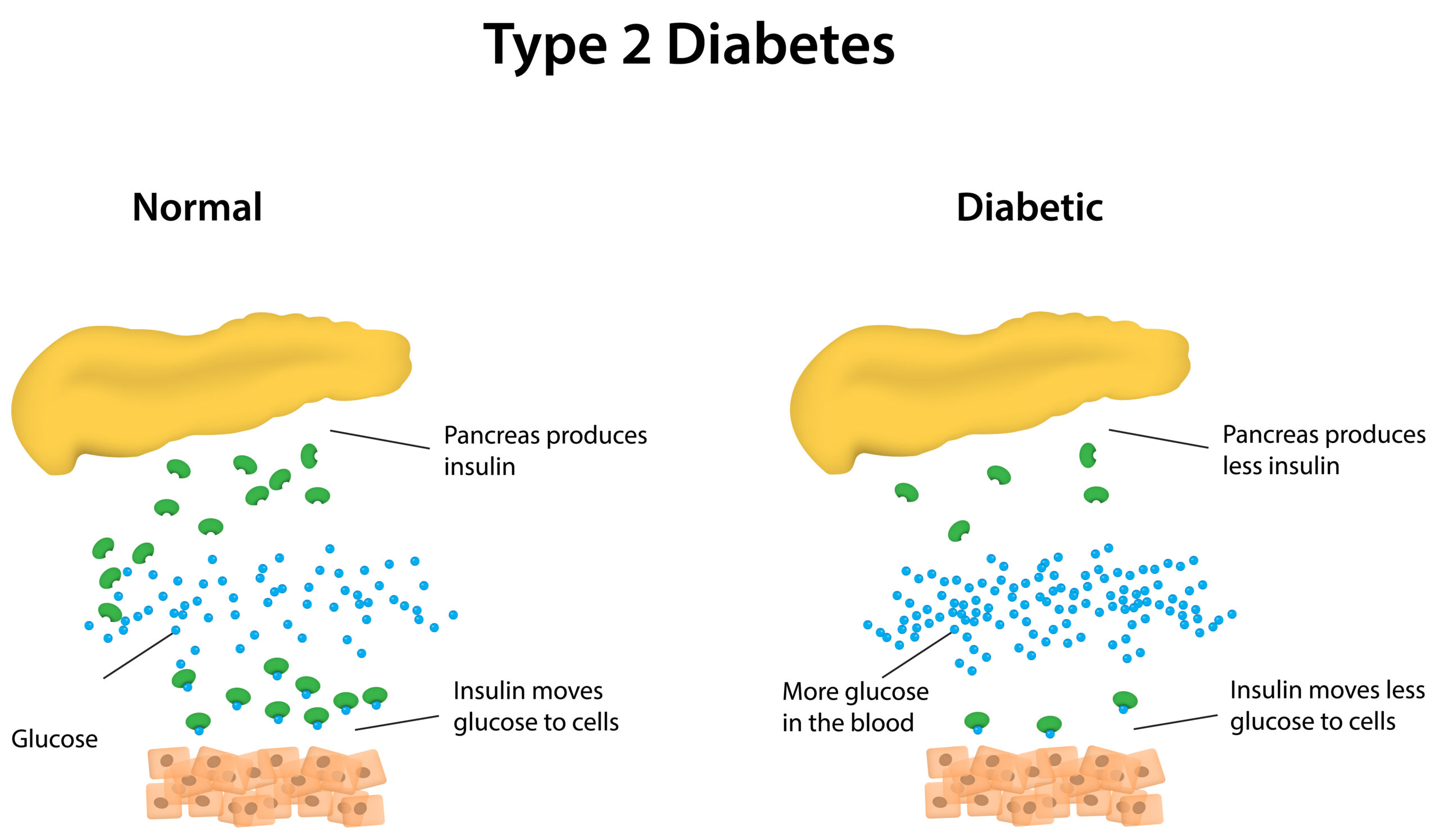
Type 2 Diabetes
Type 2 diabetes is the most common form of the disease and primarily affects adults, although it is increasingly seen in younger populations due to rising obesity rates. This type is often referred to as adult-onset diabetes. It occurs when the body becomes resistant to insulin or does not use insulin effectively. Although insulin may still be produced, it is not sufficient to manage blood glucose levels properly.
Obesity is a significant risk factor for developing type 2 diabetes, but genetics and other factors such as age, ethnicity, and lifestyle also play a role. Despite common associations with hyperglycemia (high blood sugar), individuals with type 2 diabetes can also experience hypoglycemia (low blood sugar), especially when taking medication to lower blood sugar levels.
Type 1 Diabetes
Type 1 diabetes is an autoimmune disorder where the immune system mistakenly targets and destroys the insulin-producing cells in the pancreas. As a result, the body produces little to no insulin. This form of diabetes usually begins in childhood or adolescence, though it can develop at any age. Individuals with type 1 diabetes must take insulin daily to manage their blood sugar levels.
Hypoglycemia (Low Blood Sugar)
Hypoglycemia can occur in both types of diabetes, particularly when a person takes insulin or other glucose-lowering medications. It happens when blood sugar levels drop too low to supply the body with sufficient energy. Symptoms may include:
-
Hunger
-
Shakiness or nervousness
-
Excessive sweating
-
Dizziness or lightheadedness
-
Weakness or fatigue
-
Difficulty speaking
-
Confusion or irritability
-
Nightmares or night sweats
-
In severe cases, hallucinations or loss of consciousness
Managing hypoglycemia involves eating fast-acting carbohydrates (like juice or glucose tablets) and adjusting medications or food intake as necessary.
Causes and Treatment
The causes of diabetes are multifactorial. Although genetics are a major factor, lifestyle choices—including nutrition, exercise, and maintaining a healthy weight—are equally important. Obesity—especially abdominal obesity—has a strong correlation with the development of type 2 diabetes and may also have genetic components.
Treatment for type 2 diabetes often begins with lifestyle changes such as improved diet, regular exercise, and weight loss. If these measures are not sufficient, oral medications may be prescribed. Over time, some individuals may require insulin therapy to maintain normal blood sugar levels.
Conclusion
Diabetes affects people of all ethnicities and backgrounds. Early detection, proper medical care, and consistent self-management can help prevent complications and allow individuals to live healthy, active lives.
For more information, you can visit reputable sources such as the American Diabetes Association or http://www.all-about-diabetes-symptom.com.