

Type 1 diabetes is far less prevalent than type 2 diabetes and typically affects younger individuals, mostly under the age of 40, with a significant portion being diagnosed in childhood or adolescence. Though rare, some adults may develop it after 40. This form of diabetes is more severe, as it is linked to the body’s inability to produce sufficient insulin. The pancreas stops producing insulin altogether or doesn’t produce enough to maintain healthy blood glucose levels.
Individuals with type 1 diabetes frequently experience hyperglycemia, a condition marked by elevated blood sugar levels. Common symptoms of this condition include frequent hunger, excessive urination, constant thirst, blurred vision, fatigue, unexplained weight loss, delayed wound healing, dry mouth, itchy or dry skin, and in some cases, erectile dysfunction in men. Additionally, the immune system becomes weakened, making individuals more susceptible to infections.
The frequent hunger arises because the body is unable to use glucose effectively as a source of energy. The fatigue occurs because glucose cannot enter the cells to provide energy. As a result, the body tries to expel excess glucose through frequent urination, leading to dehydration, which in turn triggers increased thirst. These symptoms might develop gradually, and not everyone will experience all of them simultaneously.
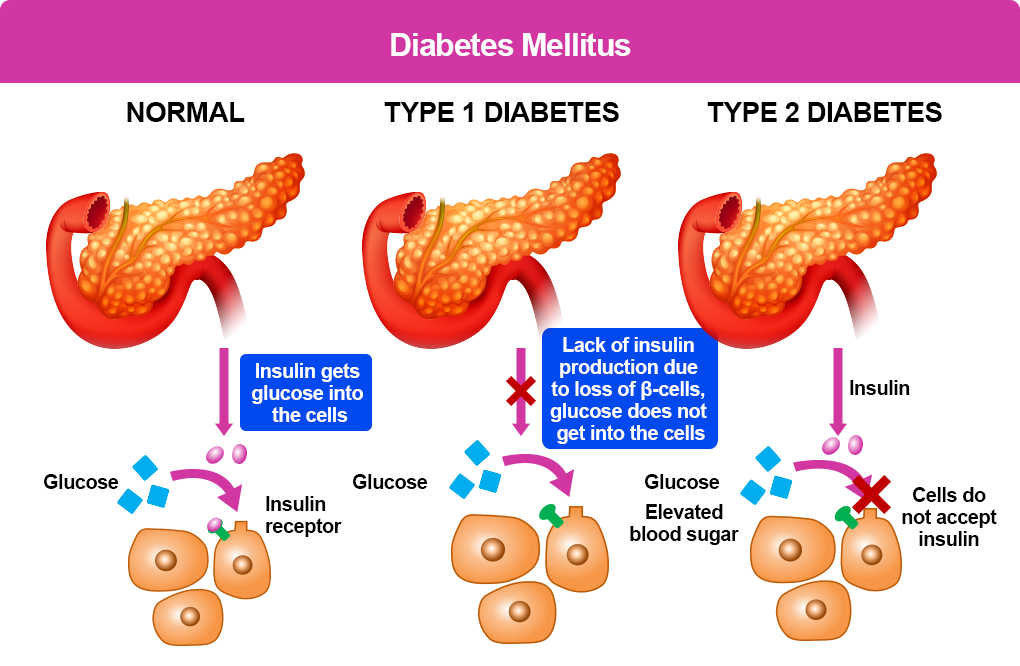
The risk of developing type 1 diabetes is around 3.7 to 20 per 100,000 people. In the U.S., over 700,000 people are living with type 1 diabetes, which represents approximately 10% of the total diabetic population. This condition is typically the result of an autoimmune response in which the immune system mistakenly attacks and destroys the insulin-producing cells in the pancreas. Viral infections such as mumps, rubella, measles, influenza, and polio have been suggested as potential triggers for this autoimmune reaction, which is why type 1 diabetes is more common in children who are more frequently affected by these infections. Genetic factors also play a role, with a higher likelihood of developing the condition if there is a family history of diabetes.
The treatment for type 1 diabetes primarily involves insulin injections to help regulate blood sugar levels. Insulin is injected into the bloodstream and absorbed by the cells, where it helps control the amount of sugar in the blood.
For more details about diabetes, visit all-about-diabetes-symptom.com.