

Type 2 diabetes is often referred to as mature-onset diabetes and is more prevalent than Type 1. In Type 2 diabetes, the pancreas either doesn’t produce sufficient insulin or the body becomes resistant to the insulin it produces.
Type 1 diabetes, also known as juvenile or adolescent diabetes, is different because the body completely stops producing insulin. It is typically diagnosed in children or young adults, whereas Type 2 diabetes is most commonly found in older adults, though it is increasingly being diagnosed in younger people.
In both forms of diabetes, the body loses the ability to properly use sugar. This results in elevated blood sugar levels since the body can no longer effectively transport sugar from the bloodstream into the cells. Insulin plays a crucial role in this process by allowing sugar to enter the cells, where it is then utilized for energy.
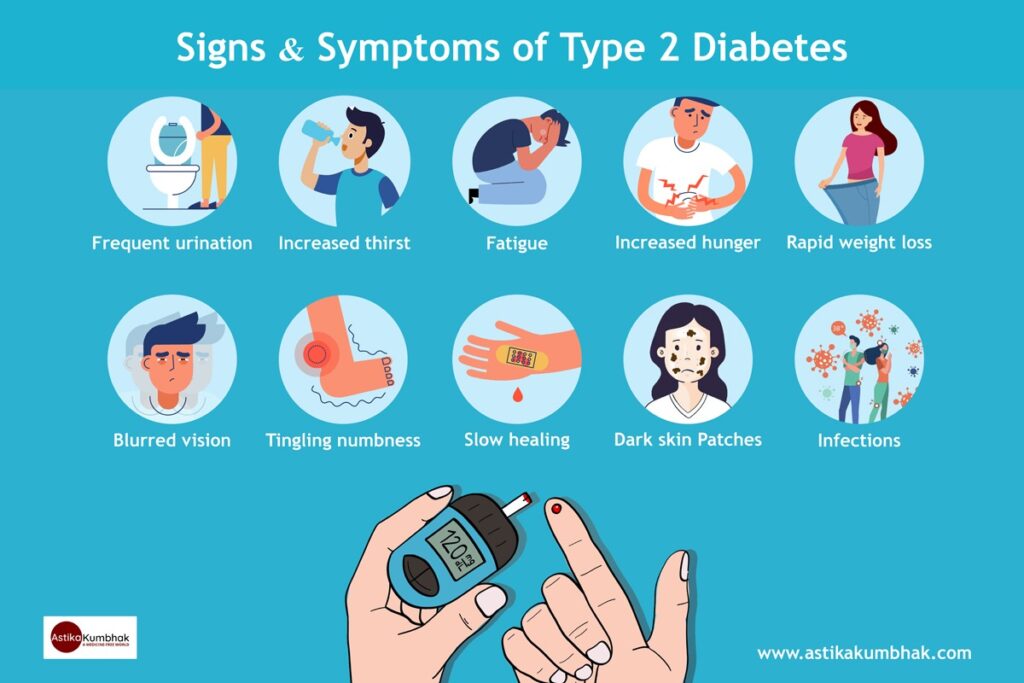
Diabetes is a serious condition that can lead to a variety of health complications, such as an increased risk of heart disease, high blood pressure, vision issues and blindness, nerve damage, and kidney problems. Managing blood sugar levels is critical, as tight control can significantly reduce the risk of these complications. By maintaining good control over blood sugar and avoiding prolonged high blood sugar, individuals with diabetes can live long, healthy lives.
Today, there are many tools designed to help manage diabetes effectively. Glucose meters have become smaller, easier to use, and require only tiny blood samples. Painful finger pricks can now be avoided with blood samples taken from less sensitive areas like the forearm. In the near future, non-invasive glucose monitoring devices may become available that don’t require any blood samples at all.
The A1c test, which measures the average blood glucose level over the previous three months, is another valuable tool. This test is an excellent way to assess the effectiveness of treatments, diet, and medications. It is now available for home use, meaning a doctor’s visit isn’t necessary to monitor this key metric.
Type 2 diabetics have more options for managing their condition than Type 1 diabetics. In addition to oral medications that can eliminate the need for insulin injections, other methods may help control blood sugar without the need for medication. Type 2 diabetics should explore various resources to determine the most effective treatment options, including seeing a specialist who can provide nutritional counseling on how different foods impact blood sugar levels.
Additionally, diabetics should become familiar with vitamins, minerals, and herbal supplements that support blood sugar control. Supplements like chromium, magnesium, and vanadyl sulfate can improve glucose metabolism and insulin sensitivity. Gymnema sylvestre, an herb known as the “sugar destroyer,” has shown positive effects in regulating blood sugar and improving insulin function.
In addition to a balanced diet and appropriate supplements, weight management and regular exercise are crucial. Extra weight puts additional stress on the pancreas because fat tissue requires more insulin. Exercise helps control weight and aids in the efficient transport of sugar into cells.
While diabetes is a serious condition, a healthy diet, consistent glucose monitoring, and regular exercise can significantly improve management and reduce complications. Educating oneself on the importance of blood sugar control and exploring available treatments and lifestyle changes is essential. With proper care, diabetics can reduce complications and lead long, healthy lives.
For additional information and resources on diabetes, you can visit diabetessites.com.