

Diabetes exists in two main types: Type 1 and Type 2. It’s essential to understand the differences between the two and how each is managed.
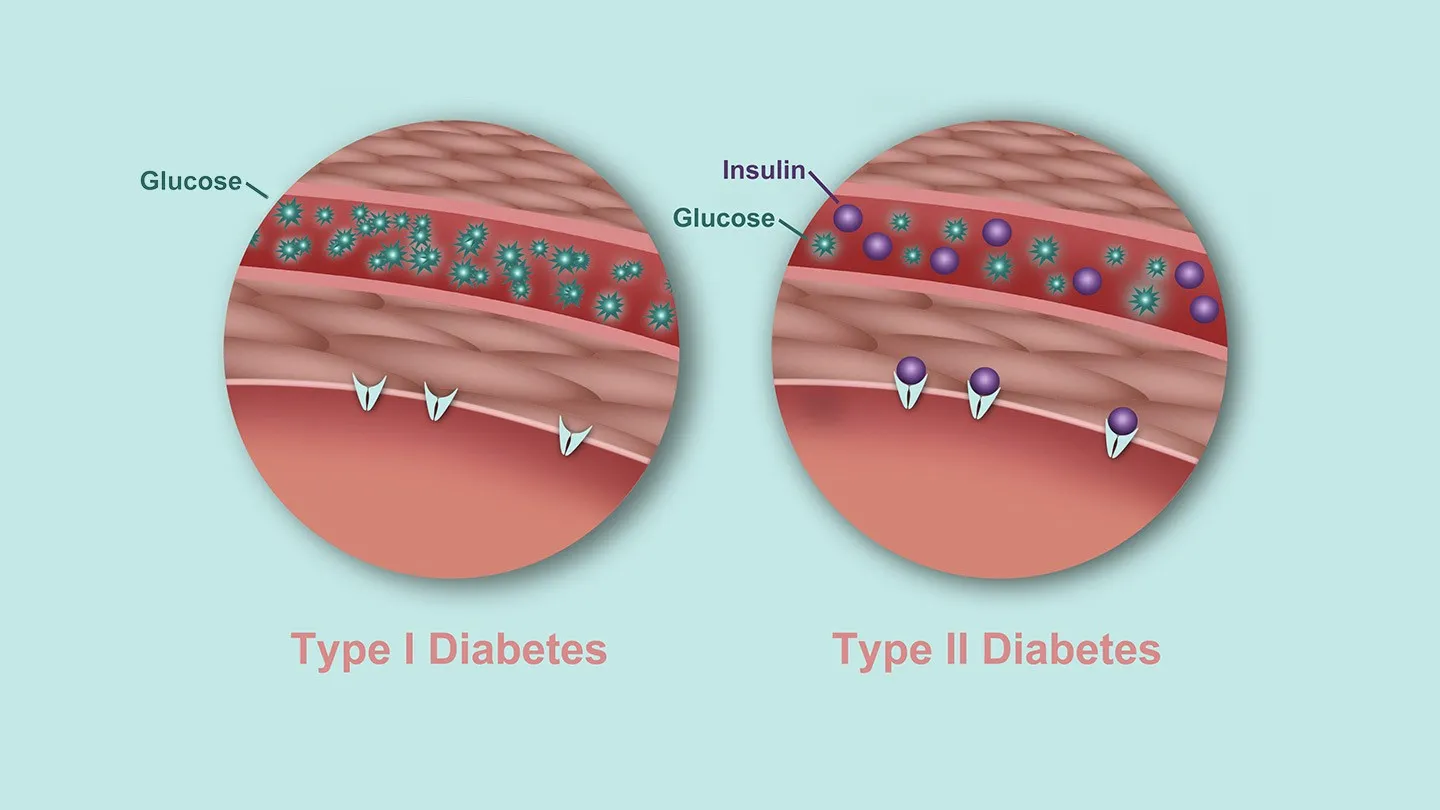
Type 1 diabetes is most commonly diagnosed in children and adolescents but can also affect adults. In Type 1 diabetes, the body either produces very little or no insulin at all, resulting in a total insulin deficiency. The primary treatment involves insulin injections, coupled with a lifestyle that includes a balanced diet, regular exercise, and consistent blood glucose monitoring through blood testing devices. With proper management, individuals diagnosed with Type 1 diabetes can lead a normal life, as long as they adhere to their doctor’s instructions and recommendations.
Type 2 diabetes, on the other hand, typically occurs when the body still produces insulin but is unable to use it effectively. While insulin levels may be normal or even elevated, the body’s cells become resistant to its effects. Type 2 diabetes is often more complex but, ironically, is considered easier to manage than Type 1. Many people with Type 2 diabetes may not be aware of their condition for years due to the milder and sometimes intermittent symptoms. This lack of awareness can lead to serious complications such as kidney damage and heart disease. Initial treatment for Type 2 diabetes usually includes lifestyle changes like increased physical activity and a diet aimed at weight loss. If necessary, medication and insulin therapy may be introduced.
For both types of diabetes, maintaining normal blood glucose levels is crucial to prevent complications such as damage to the eyes, kidneys, and circulatory system. This requires a combination of careful monitoring of food intake, regular physical activity, and consistent blood glucose checks.
As of 2006, there is no cure for diabetes. It remains a chronic condition that requires patient education, proper nutrition, self-awareness, and ongoing care. People with diabetes should also stay vigilant for symptoms that could signal complications.
Note: This article is for informational purposes only and is not intended to replace professional medical advice. It should not be used as a tool for diagnosing or treating diabetes. For accurate diagnosis and treatment plans, individuals should consult with a licensed healthcare professional.