

The Growing Impact of Diabetes in America
Diabetes has steadily become a widespread health concern in the United States, affecting nearly 11 million people who are aware they have the condition — and an estimated 7 million more who remain undiagnosed. In addition, millions more are in the prediabetic stage, placing them at high risk of developing the disease if no lifestyle changes are made.
Managing Diabetes: Knowledge and Resources Are Key
Effective diabetes management can significantly improve a person’s quality of life and reduce the risk of complications. However, success depends not only on understanding how to manage the disease but also on having access to the necessary medications, equipment, and healthcare support.
Risk Factors and Early Detection
-
Type 1 diabetes is often linked to genetic factors, though the hereditary risk is not especially strong.
-
Type 2 diabetes, on the other hand, is heavily influenced by obesity, age, and family history. People who are overweight, have had gestational diabetes, or have a family history of Type 2 diabetes or high blood pressure should consider getting screened.
Type 1 diabetes is typically diagnosed in children, while a slower-developing form found in adults is sometimes referred to as Type 1.5. In this form of diabetes, the immune system slowly destroys the pancreas’s insulin-producing beta cells over time.In Type 2 diabetes, the body either does not produce enough insulin or cannot use it properly, resulting in elevated blood sugar levels.
Testing and Diagnosis
Several tests are used to diagnose diabetes, including:
-
Fasting blood glucose test (after 12 hours without food)
-
Oral glucose tolerance test, which measures the body’s response to sugar intake
The Importance of Blood Sugar Control
The primary goal for anyone living with diabetes is to maintain stable blood glucose levels. Doing so helps minimize the risk of serious complications like nerve damage, kidney issues, or cardiovascular problems. Achieving this balance involves:
-
Choosing the right foods
-
Taking prescribed medications
-
Regular blood glucose monitoring
Essential Diabetes Supplies
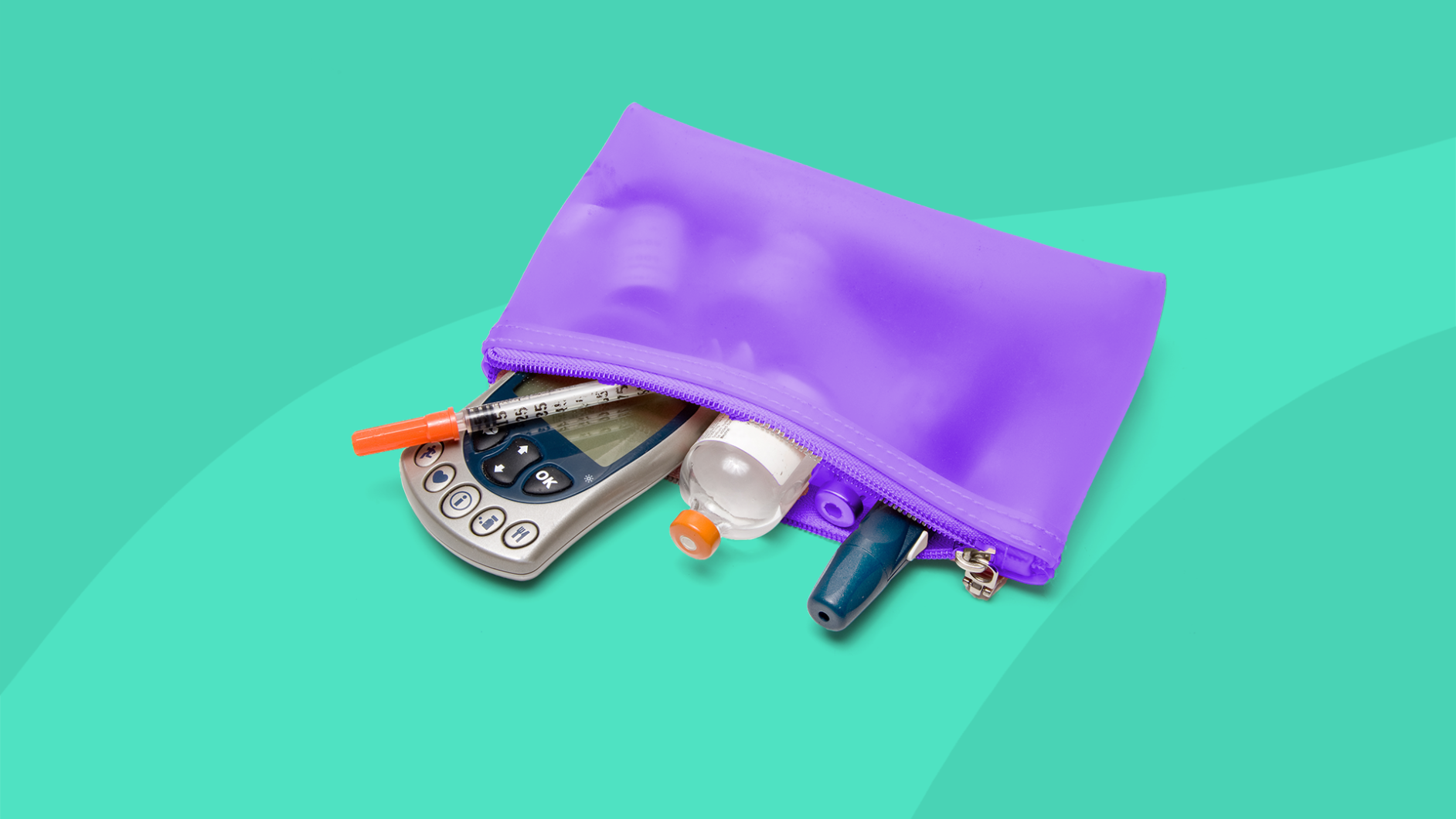
People with diabetes should always have the tools they need to manage their condition, whether at home or on the move. These may include:
-
Insulin (stored at the correct temperature)
-
Blood glucose monitors
-
Blood pressure monitors
-
Glucose tablets or gels
-
Comfortable socks to prevent foot issues
Since diabetics are more vulnerable to infections and complications, especially in the feet, proper foot care and comfort are vital.
Be Prepared — Always
If you live with diabetes, always keep your essential supplies with you. Let those around you — family, coworkers, or friends — know where to find extra supplies in case of emergency. Identify local pharmacies or stores near your home, workplace, or frequently visited places that stock diabetic supplies. When traveling, bring extra medication and equipment, and research the availability of diabetes-friendly stores at your destination.